72 Hours to Reset: Lantau's Healing Mountain Escape
"The concrete jungle vanishes the moment the ferry cuts through the salt spray, leaving only the green peaks and the sound of the tide."
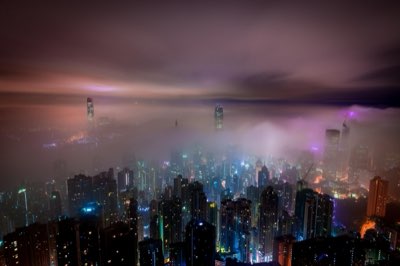
Escape the relentless neon and the vertical shadows of the skyscrapers to find a different kind of Hong Kong. Lantau Island serves as a sprawling, green sanctuary where the pace of life slows to the rhythm of the wind and the waves.
* Lantau offers a perfect balance of rugged mountain treks and spiritual tranquility through its iconic monasteries and temples. * The island provides a necessary emotional and physical reset, standing in stark contrast to the high-density urban core. * Strategic planning allows you to transition seamlessly from the world's most efficient transit hubs to untouched natural landscapes.

Why Choose Lantau Over the City Buzz?
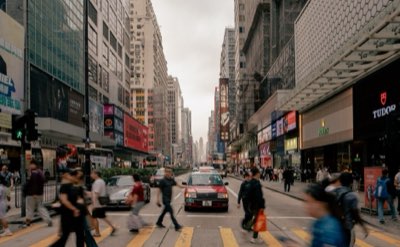
The humidity of a mid-afternoon walk through Mong Kok leaves you searching for a breeze and a moment of silence. You stand on a crowded MTR platform, surrounded by the mechanical hum of a city where public transport usage exceeds 90 percent, and realize you need to breathe.
The contrast between the urban center and Lantau is jarring yet restorative. While the city is a marvel of density and efficiency, Lantau represents the expansive, slower rhythm that the metropolis often suppresses.
Because Hong Kong is situated on China's southern coast and serves as a vital regional transport hub, the transition from a skyscraper to a mountain trail is surprisingly swift.
The scale of the territory is deceptive. While the standard area includes 1,073 square kilometers of land, the urban sprawl often makes the world feel much smaller and more crowded. Moving toward Lantau breaks that illusion.
It is a place where the geography takes center stage, offering a sense of vastness that the narrow streets of Central cannot provide.
Does the ease of travel make the escape feel less authentic, or is the proximity the greatest luxury?

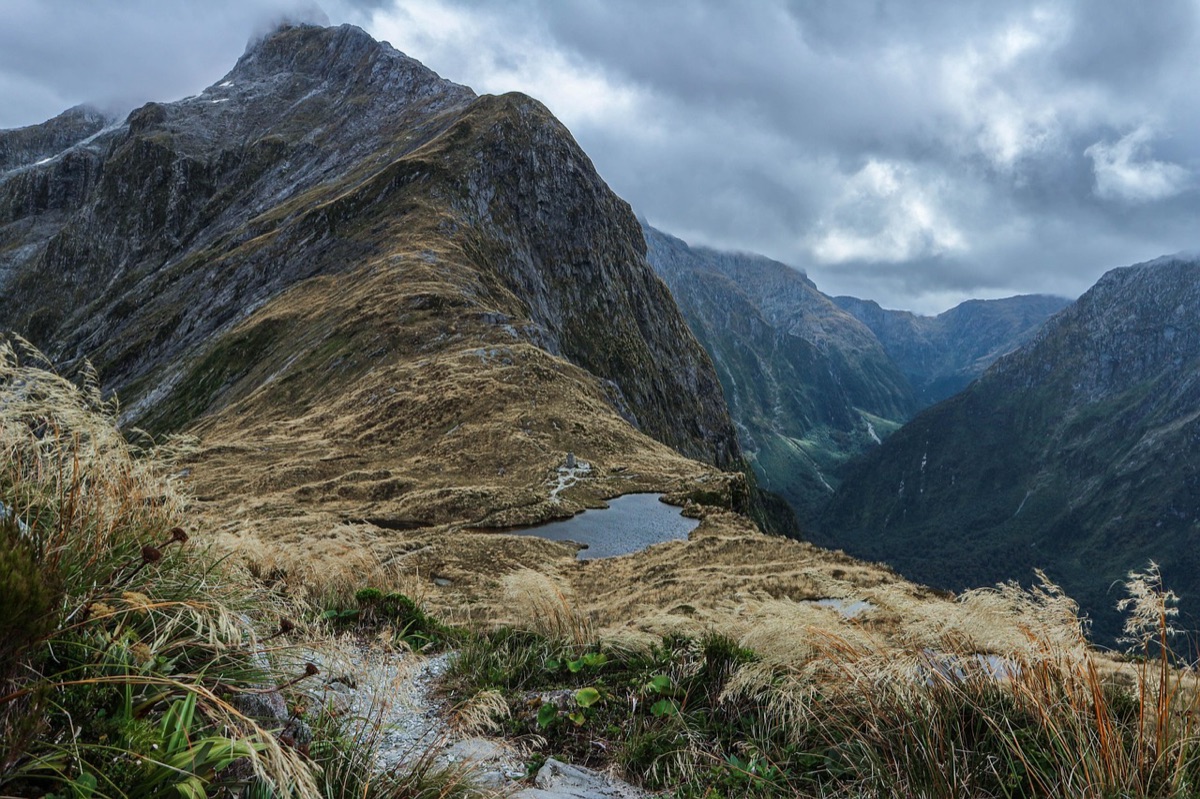
How can I experience Lantau’s natural treasures? The sun is just beginning to crest over the ridges, casting long, golden shadows across a winding dirt path. You tighten your boot laces and take a deep breath of cool, mountain air, feeling the sweat from yesterday's city walk finally evaporate.
For those seeking movement, the hiking trails on Lantau offer a different kind of challenge than the urban strolls of the city. While the famous Dragon's Back provides stunning coastal views, Lantau’s interior trails offer a more rugged, immersive experience.
You can trek through lush greenery, encounter local village life, and find yourself overlooking the South China Sea with nothing but the sound of insects for company.
The spiritual and scenic highlights are often the primary draws. The Tian Tan Buddha, or Big Buddha, sits majestically atop a mountain, offering a sense of scale and peace that is hard to find anywhere else.
A typical day should follow a natural flow: arrive early via the MTR and bus, tackle a significant hike while the temperature is manageable, visit the Po Lin Monastery to ground yourself, and then find a quiet spot to watch the sunset.
How do you balance the physical exertion of a hike with the desire for spiritual reflection?
What lies beyond the view in local flavors and culture? A small wooden table sits under a corrugated metal roof, and the smell of steaming ginger and soy sauce waft through the humid air. You sit on a plastic stool, the sounds of the village drifting past, and realize this meal feels more grounded than any fine dining experience in Tsim Sha Tsui.
Dining on Lantau is an exercise in authenticity. While the city is famous for its high-energy Michelin-starred restaurants and trendy cafes, the island offers a chance to taste the soul of the region.
From village-style tea houses to fresh seafood caught in the nearby waters, the flavors are honest and unpretentious.
The cultural texture here is thick and layered. Visiting the monastery and the surrounding villages provides a window into a way of life that predates the glass towers. This is a place where tradition isn't a performance for tourists, but a lived reality.
The slower pace of dining and interacting with locals allows for a level of immersion that is often lost in the rush of the city's catering and retail sectors.
Can a simple village meal provide more satisfaction than a luxury dinner in the city center?
Planning Your Perfect Respite
You stare at a transit map, tracing the lines from the busy urban hubs toward the green expanse of the outlying islands. You realize that the key to a successful escape isn't just the destination, but the logistics of the journey itself.
To make the most of Lantau, you must understand the transit links. The journey typically involves a combination of the MTR and local buses or ferries. For a quick decompression, a half-day trip focusing on one specific area like Tai O or Ngong Ping is sufficient.
However, to truly reset, an overnight stay is highly recommended. Staying on the island allows you to witness the transition from the busy daytime crowds to the profound stillness of the night.
When deciding between a day trip and an overnight stay, consider your energy levels and your goals. If you are looking to tick a box on a bucket list, a day trip might suffice.
If you are looking for genuine healing and a break from the "always-on" culture of the city, dedicate at least one full night to the island.
| Trip Type | Duration | Best For | Primary Activity |
|---|---|---|---|
| The Quick Reset | 4–6 Hours | Busy travelers | Ngong Ping and Big Buddha |
| The Cultural Immersion | Full Day | Weekend explorers | Tai O fishing village and hiking |
| The Deep Healing | 2 Days / 1 Night | Those needing a total reset | Extensive hiking and village stays |
- Plan the Route: Check the bus and ferry schedules in advance, as they are less frequent than the MTR. 2. Pack Light and Smart: Bring sturdy walking shoes and enough water for several hours of hiking. 3. Time Your Arrival: Aim to reach the island in the morning to maximize daylight and avoid the afternoon heat. 4. Balance the Itinerary: Mix one high-energy activity (like a hike) with one low-energy activity (like a monastery visit).
Making the Most of Your Hong Kong Trip
The train doors slide shut with a quiet hiss, and as the urban landscape begins to blur into green, you feel the tension in your shoulders finally begin to drop. You realize that the best way to handle the intensity of Hong Kong is to have a sanctuary waiting for you.
According to World Bank data, Hong Kong recorded international tourist arrivals of 3,569,000 in 2020.
Think of Lantau as a palate cleanser. The intensity of the city can lead to sensory overload and burnout. Using the island as a scheduled break between busy city segments is a strategic way to manage your energy. It prevents the "travel fatigue" that often hits visitors halfway through their trip.
Given Hong Kong's status as a major regional transport hub, you have the unique ability to jump between worlds in under an hour. Use this efficiency to your advantage. Don't just see the city; experience the contrast.
The ability to move from a global financial center to a quiet mountain peak is what makes a trip to this part of the world so extraordinary. #




Comments 0