Hong Kong Travel: 3 Local Secrets for a Perfect Trip
"The difference between a stressful trip and a perfect getaway often comes down to a single plastic card and a bit of local cash."
Getting your logistics right before you land is the secret to actually enjoying the city instead of fighting it. If you handle your money and your movement, the rest of the trip takes care of itself.
* Essentials: Grab an Octopus Card immediately and keep small amounts of cash for local eateries. * Transit: Use the MTR for speed and the historic trams for the best views. * Pro-Tip: Avoid heavy airport exchanges; use city centers for better rates and e-SIMs for instant data.
How should I handle cash and currency in a new city?
The moment you step out of the arrivals hall at Hong Kong International Airport, a wall of thick, humid heat hits you, making your head spin. After grabbing your bags, your first instinct is to find a way to pay for a ride or a snack.
When I first flew into the territory in late 2024, I walked straight to a kiosk and realized how much easier it was to have a stack of small bills ready before even leaving the terminal.
While credit cards are widely accepted in major shopping malls, don't assume you can tap-to-pay everywhere. Many legendary local tea restaurants, known as *cha chaan tengs*, or tiny dim sum stalls in narrow alleys, might only take cash. You need to have a plan for both digital and physical currency.
You will be using Hong Kong Dollars (HKD). While the currency is similar to the Macanese Pataca, they are not interchangeable, so keep your denominations straight. It is helpful to keep small bills, like 50 or 100-dollar notes, handy for quick transactions at small shops.
A smart move is to avoid exchanging all your money at the airport, where rates are often less favorable. Instead, exchange only enough for immediate needs at the airport and head to banks or exchange bureaus in central areas like Central or Tsim Sha Tsui for better rates.
Always keep a small reserve of 50 to 100 dollars in your wallet. This ensures that if a local vendor doesn't take cards, your food tour doesn't come to a sudden halt.
But having money in your pocket is only half the battle; you also need to know how to move.

What is the Octopus Card and why is it a must-have?
You stand before a subway gate, tap a small plastic card against a reader, and hear a sharp, satisfying beep as the gates slide open. Without this little piece of plastic, navigating this city would feel like a constant struggle.
The Octopus Card is the absolute lifeline of any traveler. It is much more than a transit pass; it is a versatile payment tool used in convenience stores, restaurants, drugstores, and even some taxis. It works seamlessly on the MTR (subway), buses, ferries, and the iconic double-decker trams.
You can pick one up at MTR service centers at the airport or in major subway stations. There is usually a small deposit included when you buy a new card, which you can get back when you return the card or refund the remaining balance.
Using it is intuitive—just tap and go. One of its best features is how easy it is to top up. You can add credit at any "Add Value" machine in subway stations or even at local convenience stores.
One thing to watch out for is running out of credit mid-trip. If your balance is too low, the gates won't open. It is best to keep a healthy buffer of credit to ensure your transit remains uninterrupted.
However, having a card doesn't guarantee a smooth ride if you don't understand how the city moves.
How do I navigate the MTR and the historic trams?
Walking out of a cool, air-conditioned subway station, you are suddenly met with a wall of towering skyscrapers and a labyrinth of narrow streets. While the subway is the fastest way to get around, it doesn't always capture the soul of the city.
The transit system here is incredibly precise. The MTR connects major hubs rapidly, with lines color-coded so even a first-timer can find their way. It is efficient, clean, and reliable.
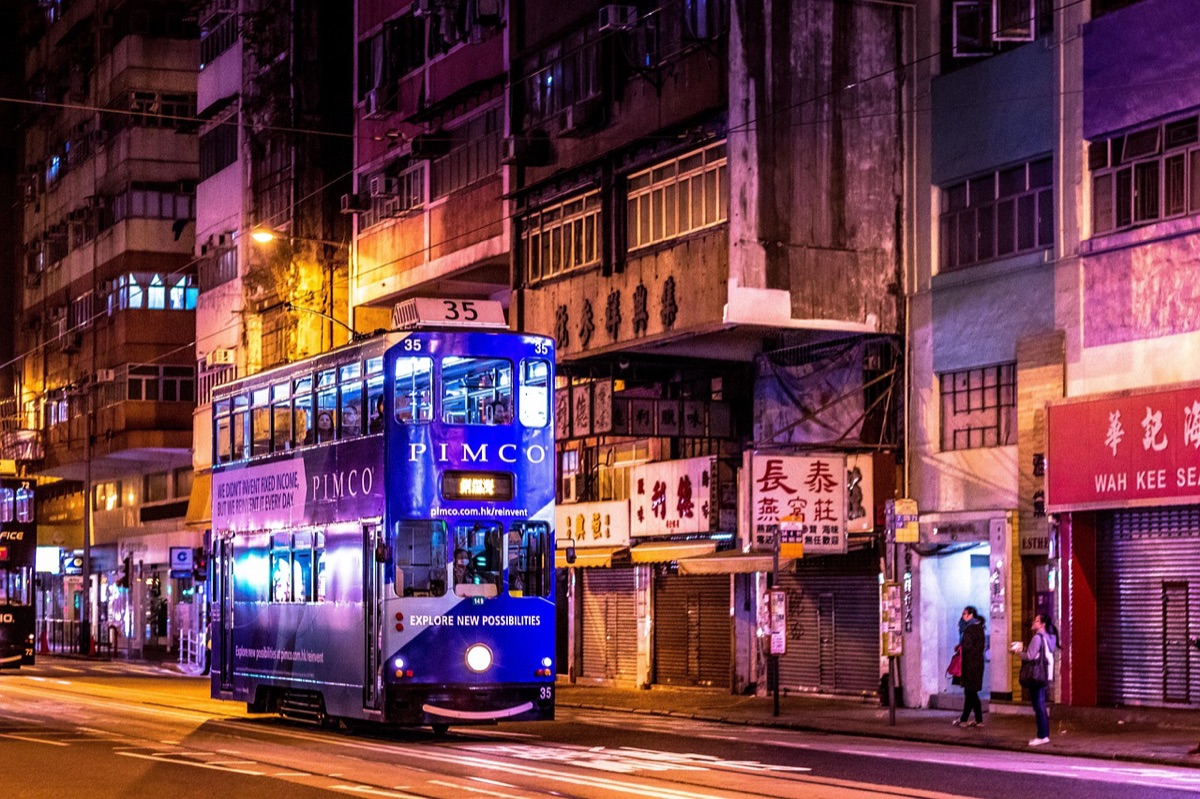
But if you want to feel the pulse of the city, you must ride the double-decker trams. These classic vehicles cross Hong Kong Island from east to west. They move slowly, but sitting in the very front seat on the top deck offers a view of the urban landscape that nothing else can match.
You can also take the Star Ferry between Tsim Sha Tsui and Central. It is not just a way to cross the water; it is a scenic tour that offers a stunning view of the skyline.
| Transport Mode | Primary Use | Key Feature |
|---|---|---|
| MTR (Subway) | Rapid city-to-city travel | Air-conditioned, punctual, highly efficient |
| 程序员 Tram | Short distances on HK Island | Low cost, amazing second-floor views, local feel |
| Star Ferry | Tsim Sha Tsui ↔ Central | Beautiful harbor views, iconic experience |
| Bus | Cross-district travel | Wide range of routes, elevated views |
Moving through the city is easy, but staying connected is just as vital.
How do I stay connected with data and roaming?
You walk into a hotel lobby, drop your bags, and pull out your phone to check Google Maps, only to find you have no signal. It is a disorienting feeling that can ruin a perfect itinerary.
Travelers usually choose between three methods: international roaming, a local physical SIM card, or a portable Wi-Fi device.
The most efficient method is often a local SIM or an e-SIM. Buying a local SIM card gives you high-speed data at a much lower cost. With e-SIM technology, you can often set up your data plan before you even land, meaning you have internet the second you touch down.
If you are traveling in a large group with heavy data needs, a portable Wi-Fi "egg" might work. However, for solo travelers or those looking to pack light, a local SIM is much cleaner.
When using your data, lean heavily on map applications. Navigating the complex building structures and specific subway exit numbers (like A1 or B2) is the key to not getting lost.
Even with perfect data, a bad hotel location can still make your trip exhausting.
How do I pick the right place to stay?
You walk into your hotel room, hoping for a sanctuary, only to find it is so small you can barely open your suitcase. Choosing a hotel is about more than just price; it is about your base of operations.
Accommodations generally fall into three categories:
- Kowloon Side (Tsim Sha Tsui, etc.): Perfect for those focused on shopping, dining, and night views.
- Hong Kong Island (Central, Causeway Bay): Ideal for nightlife, trendy cafes, and landmarks like the Mid-Levels Escalator.
- Mong Kok and Outskirts: Often more budget-friendly, though rooms can be much smaller and the areas more crowded.
Always check the room dimensions before booking. Because space is at a premium, many hotels are designed to be much tighter than what you might find in larger American cities.
You might find a room where you can barely spread out a suitcase. If you are traveling with heavy luggage, it is worth paying a bit more for a larger room type to maintain your sanity. Most importantly, prioritize proximity to an MTR station.
Staying within a five-minute walk of a subway station is the best way to save your energy.
So, what should you do before you head out the door?
A checklist for a successful trip
To ensure your trip goes smoothly, follow these five steps before and immediately after your arrival. According to the World Bank, Hong Kong recorded international tourist arrivals of 3,569,000 in 2020.
- Prepare Cash and Cards: Have a small amount of local cash ready for immediate use and plan your larger currency exchanges for the city center.
- Secure an Octopus Card: Buy one at the airport MTR counter or set up a mobile version on your smartphone.
- Activate Data: Ensure your e-SIM or local SIM is active the moment you land.
- Map Your Stay: Note the specific subway exit numbers closest to your hotel.
- Pack a Layer: Always keep a light sweater or cardigan in your carry-on to handle strong indoor air conditioning.





Comments 0