TST vs Central: Choosing Your Perfect Hong Kong Base Camp
"Deciding where to lay your head in Hong Kong is more than just picking a hotel; it is about choosing which version of the city you want to wake up to every morning."
Deciding between Tsim Sha Tsui and Central is the difference between waking up to a neon-soaked waterfront and waking up in a high-rise canyon of glass and steel. Your choice dictates whether you spend your afternoons in bustling street markets or sophisticated rooftop lounges.
* Tsimson Sha Tsui (TST): The perfect choice for first-time visitors, nightlife enthusiasts, and those who want immediate access to the energy of Kowloon. * Central: The superior base for business travelers, fine-dining aficionados, and those seeking the polished, vertical intensity of Hong Kong Island. * Decision Factor: Your choice depends on whether you want immersive tourist energy or efficient, high-end urban exploration.
Which vibe actually fits me? I remember standing at the Tsim Sha Tsui promenade during my first trip in 2024, the smell of roasted goose wafting from a nearby shop while the massive skyline of Hong Kong Island shimmered across the water.
It felt like being in the center of the world, yet I was clearly on the "other" side of the harbor.
Tsim Sha Tsui, often called TST, is the heart of Kowloon. It is a place of constant motion, where massive shopping malls sit right next to traditional street markets. In 2025, the district remained a dense, loud, and incredibly accessible hub for travelers.
For many, this is the quintessential Hong Kong experience—bright lights, crowded sidewalks, and a sense that something is always happening.
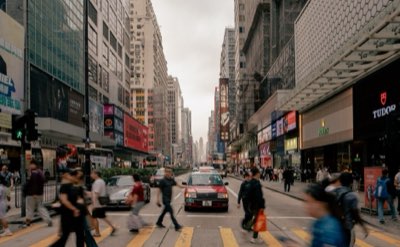
Central, by contrast, is the pulse of Hong Kong Island. It is the financial heart of the territory, where glass skyscrapers tower over narrow, winding streets that lead to hidden bars and high-end boutiques. While TST feels like a grand stage, Central feels like the engine room of the city.
It is more polished, more professional, and offers a different kind of intensity.
The sheer volume of people moving through these hubs is staggering. In 2020, Hong Kong recorded international tourist arrivals of 3,569,000, according to World Bank data. In the current 2026 travel season, that density is felt most acutely in these two districts.
The economic weight of the city also shapes the atmosphere you will encounter. With a GDP per capita of US$56,983 in 2025, according to World Bank data, the wealth of the city is palpable in the luxury flagship stores of Central and the high-end hotels of TST.
This prosperity defines the skyline you will see from your window. But having a view is one thing; living in the middle of the chaos is another.

What are the real pros and cons of each?
Walking through a luxury hotel lobby in Central, the air is cool and the scent of expensive perfume lingers, making you feel as though you have stepped into a different world. It is a stark contrast to the humid, salty breeze of the TST waterfront.
Tsim Sha Tsui offers an immediate connection to the "old meets new" vibe of Hong Kong. You have easy access to the Star Ferry, which provides a cheap and iconic way to cross the water, and you are steps away from the bustling markets of Mong Kok.
The dining scene in TST is a mix of high-end Cantonese banquets and quick, delicious street food. It is perfect for those who want to feel the energy of the city the moment they step out of their hotel.
Central is the playground of the sophisticated traveler. It is home to some of the world's best fine dining, high-end shopping in areas like Lan Kwai Fong and Soho, and the famous Mid-Levels Escalator.
If you want to be near the business hubs or prefer a more "grown-up" atmosphere, Central is the winner. The transition from a high-powered boardroom to a trendy cocktail bar is seamless here.
A vital piece of advice for anyone booking a room in either district is the "small room" reality. In Hong Kong, space is the ultimate luxury. Do not be surprised if your room is significantly smaller than what you are used to in the United States.
In TST and Central, you are often paying for the prime location rather than square footage. Always check the room dimensions before booking to manage your expectations. But even with a small room, you need to know how to navigate the streets outside.
How do you navigate the transit and attractions?
I once spent an entire afternoon just riding the Star Ferry from TST to Central, watching the skyline shift from the dense towers of Kowloon to the dramatic peaks of the Island. It is one of the simplest, most effective ways to understand the geography of the city.
Tsim Sha Tsui is a gateway to the Kowloon side. You are close to the Avenue of Stars, the museums in West Kowloon, and the easy transit lines that lead to the more traditional parts of the city. It is an excellent base for those who want to explore the northern side of the harbor without much fuss.
Central serves as the gateway to the Island's unique geography. From here, you can easily access the Peak Tram to reach Victoria Peak or take the MTR to reach the southern coast.
The transit efficiency in Central is unmatched, as it serves as a major hub for the MTR lines that connect the entire territory. In 2026, the connectivity remains the city's greatest strength.
Hong Kong is situated on China's southern coast, 60 km (37 mi) east of Macau and on the Pearl River Delta. This geographic positioning makes its transit hubs, like those in TST and Central, vital for travelers looking to move between the city and outlying areas.
| Feature | Tsim Sha Tsui (TST) | Central |
|---|---|---|
| Primary Vibe | High-energy, tourist-centric, vibrant | Sophisticated, business, upscale |
| Best For | First-timers & Nightlife seekers | Foodies & Business travelers |
| Access | Easy access to Kowloon & Star Ferry | Easy access to Peak & Island sights |
| Walking Style | Waterfront & Market exploration | High-rise density & Soho hills |
The sheer variety of choices can be overwhelming, so let's break down who should actually book which room.
Who should choose which area?
Sitting in a crowded dim sum hall in TST, surrounded by the clatter of tea cups and the chatter of multiple languages, you realize that some people thrive in this chaos while others might find it overwhelming.
The First-Timer or High-Energy Traveler: If this is your first trip to Hong Kong, Tsim Sha Tsui is often the better choice. The sheer density of attractions, the easy access to the waterfront, and the feeling of being in a "tourist hub" make it very easy to navigate.
You won't have to travel far to feel like you have "arrived" in Hong Kong.
The Business Traveler or Culture Enthusiast: If you are traveling for work or want a more refined base, Central is the logical choice. The proximity to major corporate offices and the ability to walk from a meeting to a Michelin-starred dinner is a major advantage.
It is a more efficient base for those who prefer a structured, high-end lifestyle.
The Day-Tripper Strategy: If your itinerary involves frequent trips to Lantau Island or the outlying islands, consider how your base affects your travel time.
While both areas are well-connected, staying in TST might give you a slightly different perspective on the transit flow toward the airport and northern districts. But how do you actually make the choice once you land?
How to make your final decision
Choosing your base is the first major decision of your trip. It sets the tone for your meals, your walks, and your morning coffee.
- Assess your energy level: Do you want to walk out of your door into a sensory overload of neon and crowds (TST), or a more orderly, professional environment (Central)?
- Check your budget vs. space: In both areas, you will pay a premium for location. In TST, you might get slightly more space for your money; in Central, you are paying for the prestige of the address.
- Map your primary interests: If you want museums and the harbor, go to TST. If you want the Peak, Soho, and high-end shopping, go to Central.
- Verify the MTR distance: In a city this vertical and dense, being a five-minute walk from the train can change your entire experience. Always check the exact walking distance to the nearest station before you hit "book."



Comments 0