Hong Kong 3-Day Guide: Maximize Your Iconic City Experience
"A short trip doesn't mean a shallow experience; it means making every single moment count."
A three-day itinerary is the perfect way to experience the high-octane energy of Hong Kong without feeling rushed. By focusing on specific districts, you can balance iconic skyline views, world-class dining, and unique cultural pockets.
* Focus: High-impact sightseeing in Tsim Sha Tsui, culinary exploration in Central, and scenic escapes in Lantau. * Efficiency: Grouping activities by district to minimize travel time and maximize exploration. * Essentials: Prioritize an Octopus Card for seamless transit and stay near major hubs like Tsim Sha Tsui or Central.
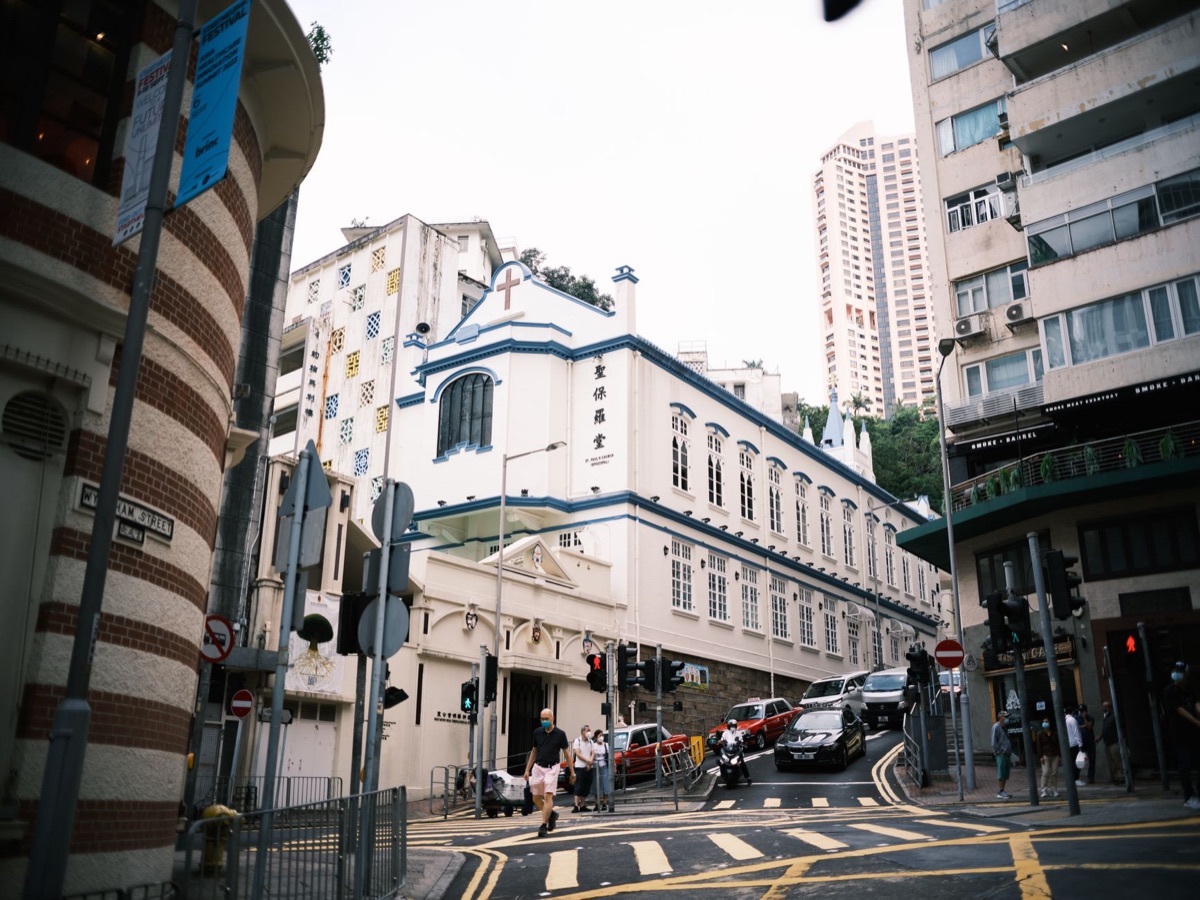
Why three days is the perfect amount of time
The sliding glass doors of the airport hiss open at 2:00 PM, releasing a wave of humid, tropical air that carries the scent of salt and city life. The rhythmic click of suitcase wheels against the polished floor signals the start of a high-speed adventure.
According to the Hong Kong Tourism Board, overall visitor arrivals to Hong Kong in 2010 totaled just over 36 million.
For travelers looking to squeeze maximum value out of a weekend, this density is exactly what makes the city so magnetic. In 2025, the sheer volume of travelers proved that short, intense bursts of exploration are becoming the new standard for urban travel.
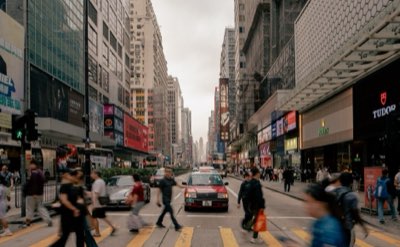
Hong Kong is not a place meant for lingering in one spot; it is a city of constant motion. The sheer verticality of the skyline and the labyrinth of neon-lit alleys create an environment that feels alive.
A three-day window is enough to hit the major landmarks while still feeling the pulse of the streets. It is a challenge of logistics, but one that rewards the organized traveler.
Success in such a short window requires a strategy of "selection and focus." Trying to see every museum or temple will lead to exhaustion. Instead, you should aim to capture the essence of the city through its visual spectacles and its legendary food scene.
| Category | Day 1: Kowloon Exploration | Day 2: Hong Kong Island | Day 3: Nature & Departure |
|---|---|---|---|
| Primary Theme | Nightlife & Local Markets | Culinary & Urban Walks | Scenery & Last-minute Shopping |
| Key Locations | Tsim Sha Tsui, Avenue of Stars | Central, Mid-Levels, The Peak | Lantau Island or Shopping Districts |
| Transport Mode | Star Ferry, MTR | Tram, Peak Tram | Airport Express (AEL) |
But having a plan is only half the battle; you have to know where to start.
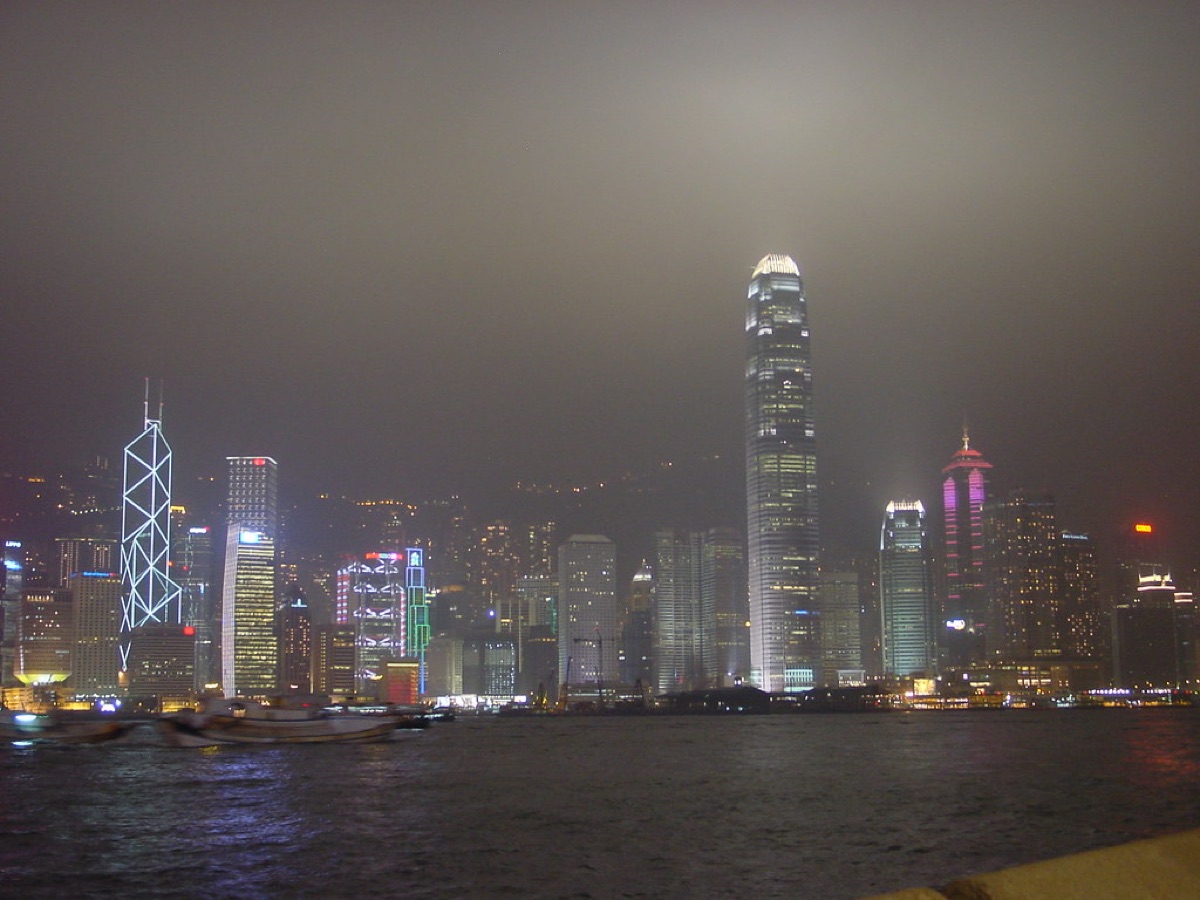
What awaits me in Tsim Sha Tsui's skyline and flavors? At 7:30 PM, a cool breeze brushes against your skin as you lean against the railing of the Tsim Sha Tsui waterfront. In the distance, the lights of the Hong Kong Island skyline begin to dance across the dark water of Victoria Harbour.
The first day is dedicated to the heart of the Kowloon Peninsula: Tsim Sha Tsui. After dropping luggage at a hotel near Kowloon Station, you dive straight into the urban rhythm. The primary goal is to witness the city's transition from day to night.
Walking along the Tsim Sha Tsui promenade offers a front-row seat to the city's kinetic energy. As darkness falls, the synchronized light shows turn the skyline into a living masterpiece. Because these waterfront spots attract huge crowds, securing a window seat at a nearby cafe is a smart move.
Dinner should be an immersion into local flavors. Traditional staples like dim sum or wonton noodles are essential. Sitting at a crowded, communal table in a bustling local eatery is the perfect way to officially kick off the journey.
I remember my first night in 2025, standing by the water with a $25 HKD snack in hand, realizing that the sheer scale of the buildings made me feel both tiny and incredibly alive. It was a sensory overload that no photo could truly capture.
However, the skyline is just the backdrop; the real challenge begins when you cross the water.
How to navigate the food and views of Central
At 10:00 AM, you stand at the base of the Mid-Levels Escalator in Central, watching the massive mechanical staircase begin its slow, rhythmic ascent through the narrow streets.
The second day is about exploring the soul of Hong Kong Island. The districts of Central and Soho represent the perfect collision of high-finance gloss and gritty, historic charm.
Riding the outdoor escalators provides a unique perspective, where you can watch sleek modern towers rise directly above centuries-old tenement buildings. In the dense urban fabric of 2026, these mechanical arteries are vital for moving through the verticality of the city.
Lunch is an opportunity to hunt for legendary tea restaurants (cha chaan tengs) or Michelin-recognized local gems. In this city, eating is an active engagement with culture. Sharing a small table in a packed shop allows you to feel the authentic pace of local life.
In the late afternoon, head toward Victoria Peak. The ascent on the Peak Tram is a thrilling, steep ride that offers glimpses of the city through the trees. Once you reach the summit, the sprawling metropolis unfolds below you.
Watching the sunset transition from golden light to neon blue is a highlight of any trip. But as the sun goes down, you have to decide how to spend your final hours.
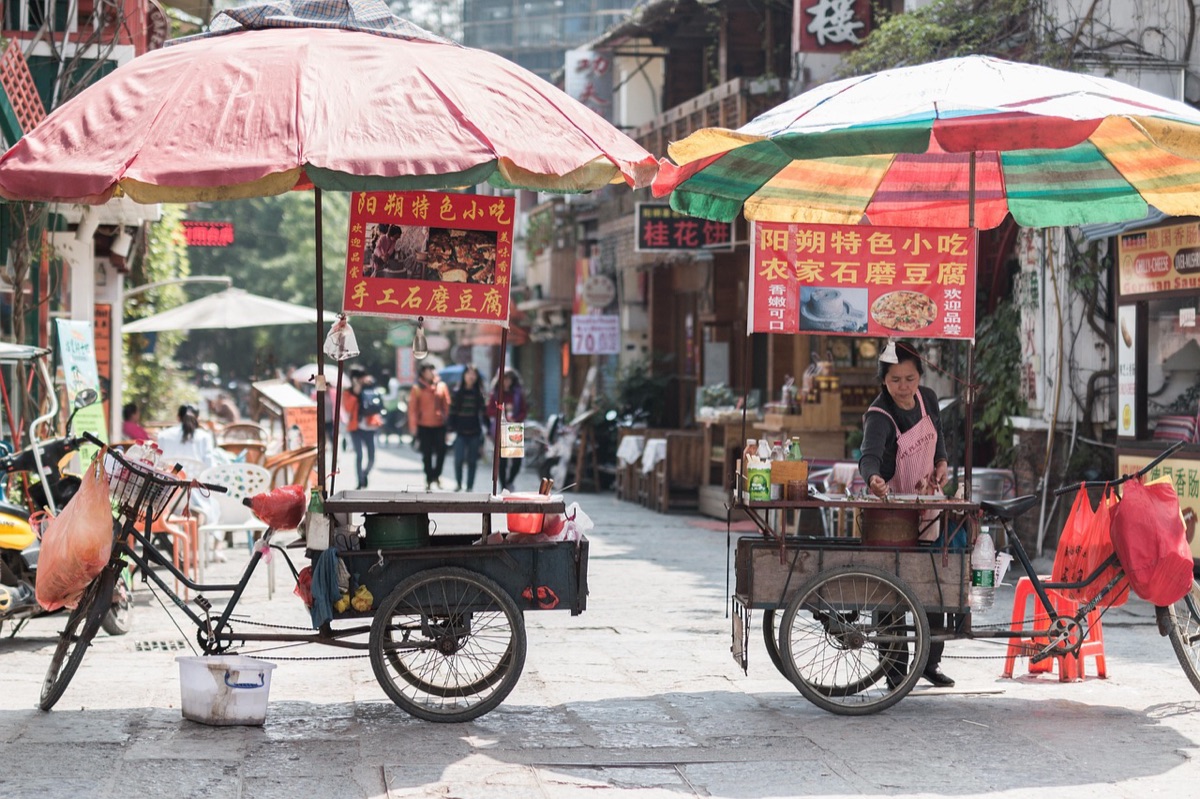
Should I seek island serenity or last-minute shopping? At 9:00 AM, after checking out of the hotel and leaving bags at the concierge, you stand at a crossroads of travel choices. The final day is about deciding how you want to say goodbye to the city.
You generally have two paths for your final hours. If you want a sense of scale and peace, head to Lantau Island to see the Big Buddha and the coastal views. If you prefer a high-energy finish, stick to the shopping districts like Causeway Bay or Mong Kok.
Choosing Lantau offers a moment of reflection. The massive Buddha statue and the wide-open views provide a quiet contrast to the claustrophobic excitement of the city center. It is a way to decompress before a long flight.
Alternatively, focusing on shopping allows you to hunt for souvenirs and squeeze in one last feast.
Before heading to the airport, double-check your Octopus Card balance. Once you are ready, the Airport Express provides a fast, reliable link to ensure you make your flight without the stress of city traffic.
But how do you actually execute this without getting lost in the chaos?
Practical tips for a seamless trip
To make the most of your time and avoid common travel pitfalls, keep these practicalities in mind. While digital payments are widespread, the city still maintains a strong cash culture in smaller shops. In 2025, the economy remained robust, with Hong Kong recording a GDP per capita of US$56,983.
According to the World Bank, Hong Kong recorded a GDP per capita of US$56,983 in 2025.
To ensure your trip goes smoothly, follow this checklist:
- Master the Octopus Card: This is non-negotiable. It works for the MTR, buses, trams, ferries, and even at convenience stores and some restaurants.
- Optimize Your Route: Do not bounce between islands every few hours. Spend one day in Kowloon and one day on Hong Kong Island to minimize transit time.
- Avoid Peak Hours: Popular viewpoints and famous restaurants can become overwhelming. Try to hit the Peak Tram or famous dim sum houses during early morning or late evening to avoid the heaviest crowds.
- Prepare for Humidity: The weather can be unpredictable and very humid. Always carry a light jacket for air-conditioned buildings and a small umbrella for sudden rain.
- Manage Connectivity and Cash: Ensure you have a local SIM card or roaming active. While much is digital, keep enough local currency on hand for smaller, traditional eateries that may not take cards.


Comments 0