Hong Kong Dim Sum Guide: Types & Ordering Secrets Revealed
"To eat dim sum is to participate in a conversation that has lasted for centuries."
If you want to understand the soul of Hong Kong, you don't look at its skyline; you look at the steam rising from a bamboo basket in a crowded tea house. Mastering this culinary art is the difference between being a mere spectator and becoming a true traveler.
* Dim sum is a social ritual centered on tea and small plates, meant for lingering. * Success requires distinguishing between steamed, fried, and baked varieties. * Timing and location choice define whether you experience high-end elegance or gritty authenticity.
The Heartbeat of the Table: Why Dim Sum Matters
The morning sun hits the tea leaves in a porcelain pot, and the clatter of ceramic spoons against saucers creates a rhythmic backdrop to the city's waking life. In Hong Kong, breakfast isn't always a quick bowl of cereal; it is often a communal gathering over steaming baskets.
Dim sum, which literally translates to "touch the heart," is designed to be a leisurely affair. It is not a meal meant to be rushed through to get to a museum or a shopping mall. Instead, it is a social glue that brings families and friends together to share small, delicate bites.
In high-end dining rooms in Central, you might find white tablecloths and quiet elegance, while in a bustling *cha chaan teng* in Sham Shui Po, you will find the energy of a hundred conversations happening at once.
The timing of your meal changes the entire atmosphere. A weekend brunch is a slow, multi-hour event where the table is crowded with variety. A weekday lunch is often faster, catering to workers looking for a substantial but efficient meal.
Choosing between a high-rise restaurant with a view of Victoria Harbour and a local neighborhood haunt is your first major decision. Each offers a different version of the same soul.
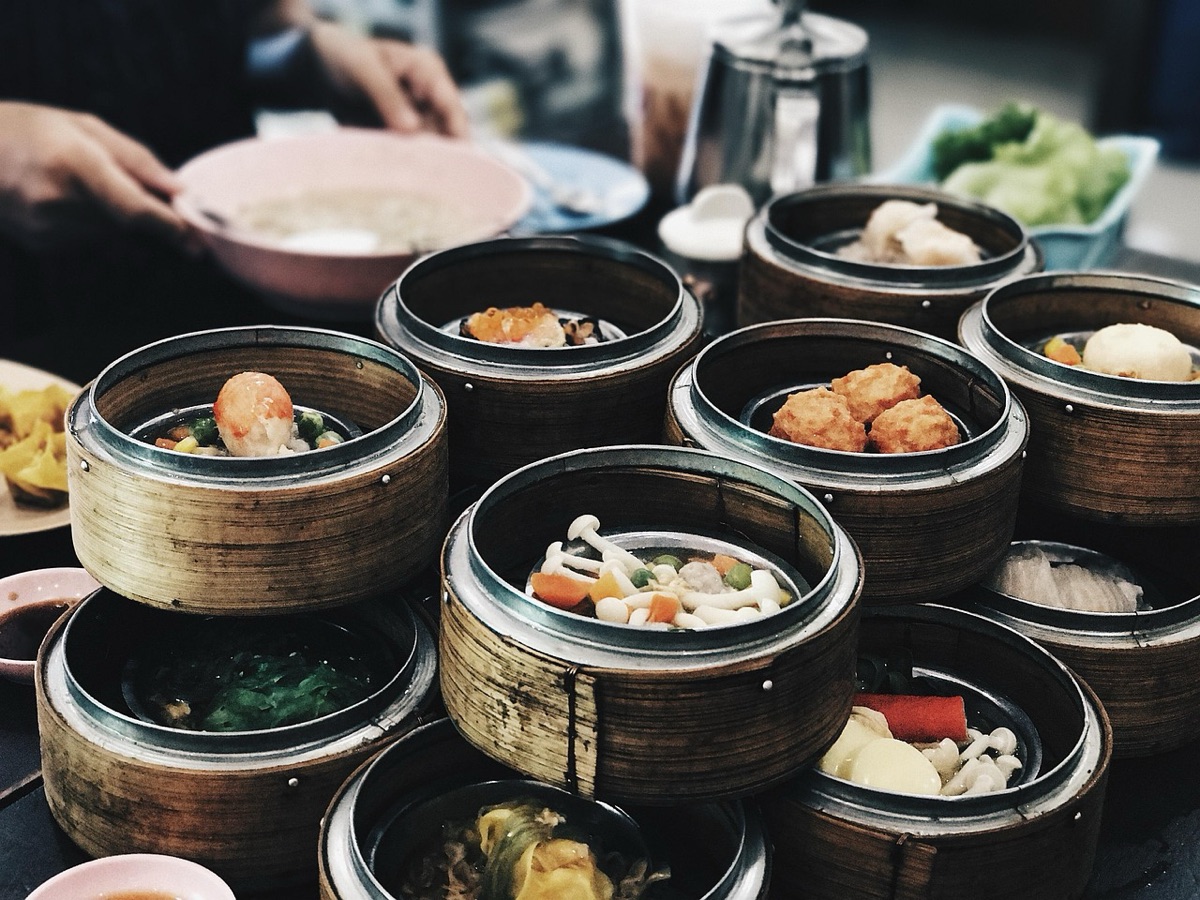
How do I master the menu from har gow to siu mai? A waiter approaches the table, a heavy menu in hand, and the sheer number of choices feels overwhelming. You realize that "small bites" is an understatement; the menu is a complex map of textures and flavors.
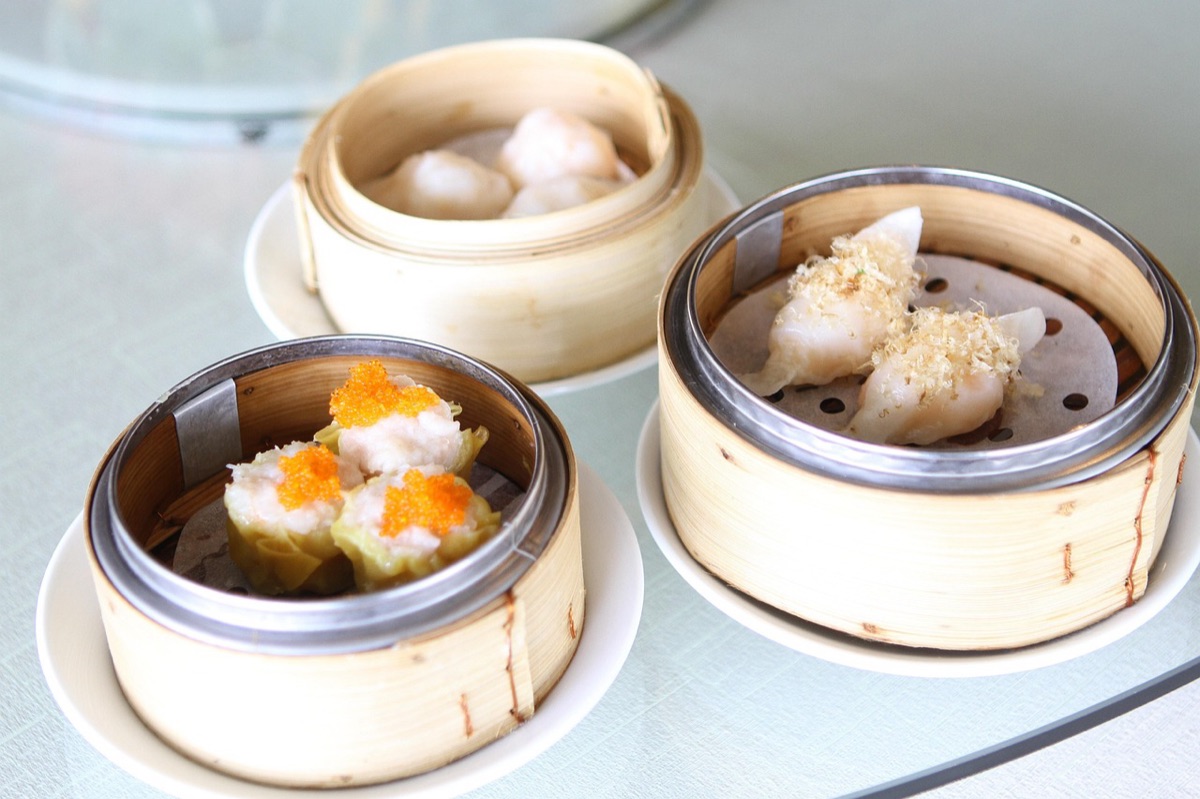
To navigate this, you must understand the core categories. Most dim sum falls into three buckets: steamed, fried/baked, or rice/noodle-based. Steamed items, like the translucent shrimp dumplings known as *Har Gow*, are the gold standard of freshness.
Fried items, such as crispy shrimp rolls, provide a textural contrast.
When you look at a menu, you will see names that might seem repetitive. For example, *Siu Mai* are open-faced pork and shrimp dumplings, while *Har Gow* are the pleated shrimp dumplings. Learning these names is your first step toward confidence.
In many traditional spots, you don't order by the weight but by the piece or the basket. Some menus are intentionally concise, often using short, punchy names to keep the focus on the food.
For a successful first-timer, follow this sequence: start with light steamed dumplings to test the freshness, move to heavier meat-based items like pork ribs or chicken feet, and finish with something sweet or fried. This prevents your palate from being overwhelmed too early.
Where should I choose to eat? The neon lights of Kowloon flicker against the dark water as you decide whether to head toward the glitzy towers of Tsim Sha Tsui or the narrow streets of Mong Kok. The choice of location will dictate the flavor of your entire day.
Hong Kong offers two distinct worlds of dining. The "Tourist Trail" usually involves high-end establishments in areas like Central or Tsim Sha Tsui. These spots offer impeccable service, stunning views, and a more refined atmosphere, but they come with a higher price tag and a more formal etiquette.
In contrast, the "Local Gems" are found in older districts like Kowloon City or Sham Shui Po. Here, the food is often more intense and traditional, the prices are much lower, and you will be elbow-to-elbow with locals.
| Dining Style | Best For | Vibe | Price Range | |
|---|---|---|---|---|
| High-End Hotel/Restaurant | Special occasions, views | Elegant, quiet, service-heavy | $$$$ | |
| Local Tea House | Authentic flavor, culture | Bustling, loud, energetic | $ | |
| Neighborhood Cha Chaan Teng | Quick, hearty meals | Casual, fast-paced | $$ |
When choosing, consider your goals. If you want a backdrop for photography, go for the high-rise views. If you want to taste the history of the city, find a place where the tea is served in old-fashioned pots and the decor is slightly worn.
Always pair your savory bites with high-quality tea, such as Jasmine or Pu-erh, to cleanse your palate between different flavors.
Beyond the Plate: Elevating the Experience
The steam begins to clear, leaving a lingering scent of jasmine and toasted rice in the air. You realize that the meal is only one part of the sensory journey.
To truly elevate the experience, look beyond the food to the ambiance. In some restaurants, the tea service is an art form in itself. In others, the sheer energy of the staff and the clinking of dishes is what makes the meal memorable.
Some travelers pair a heavy dim sum brunch with a slow walk through a nearby park or a ride on the historic double-decker trams to digest the flavors.
A great tip is to treat the meal as a transition. In the morning, it is the fuel for your exploration. In the afternoon, it can be a restorative break. If you are in a coastal area, a seaside walk after a meal can provide a refreshing contrast to the warm, savory flavors of the dumplings.
Essential Logistics for the Foodie
You stand at the entrance of a crowded restaurant, checking your pockets for cash and looking at the queue of people waiting for a table. Navigating the logistics is just as important as knowing what to order.
According to World Bank data, Hong Kong recorded international tourist arrivals of 3,569,000 in 2020.
Getting to your destination is easy thanks to the MTR and the iconic trams. Most famous dim sum spots are located near an MTR station, making them highly accessible. However, always check the distance; some of the best local spots require a bit of a walk through winding streets.
Regarding payment, while many larger restaurants accept credit cards, smaller, more authentic local spots are often cash-only. It is wise to always carry enough local currency.
Tipping culture in Hong Kong is different from the United States; while service charges are often included in the bill at hotels and large restaurants, tipping is not mandatory in local eateries.
Finally, practice the art of pacing. Do not order everything at once. Order a few baskets, enjoy them, and then order more. This ensures that your food stays hot and fresh, rather than sitting on the table getting cold while you wait for the next round.
#





Comments 0