Tsim Sha Tsui vs Central Stay: Your Guide to HK Base
Choosing between a Tsim Sha Tsui vs Central stay depends on whether you prefer vibrant waterfront energy or the sophisticated pulse of the business district. This comparison helps travelers weigh accessibility against atmosphere to find their ideal base. Key takeaways include the distinction between the Kowloon side's bustling shopping and the Island side's professional charm, as well as the role of public transport in navigating both.
Why consider a Tsim Sha Tsui vs Central stay?
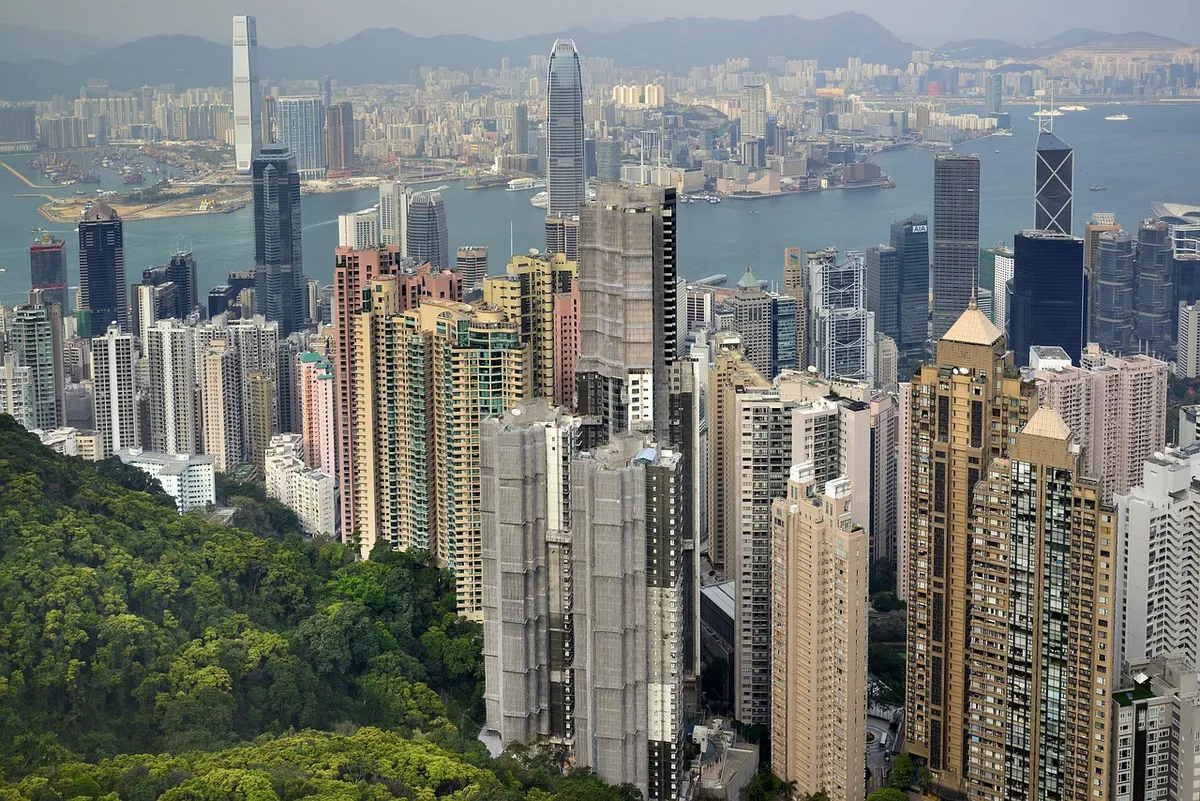
At sunset, I stand by the harbor railing and weigh the choice of a tsim sha tsui vs central stay while the salty breeze hits my face.
A traveler stands at the Star Ferry pier, watching the water ripple between the two sides of the harbor. Deciding on a Tsimly Sha Tsui vs Central stay requires understanding the unique character of each district.
One offers a classic skyline view, while the other provides a high-energy urban landscape.
The choice often hinges on the traveler's primary goal, such as sightseeing or dining. Some prefer the Kowloon side for its legendary street food and shopping, while others gravitate toward the Island side for its upscale ambiance.
Understanding these nuances ensures your Hong Kong accommodation choice aligns with your personal travel style.
Choosing between these two hubs determines whether you want to be in the heart of Kowloon's energy or the center of Hong Kong Island's skyline.
What's the real difference between TST and Central vibes? Walking through the neon-lit streets of Kowloon, the sensory overload of shopping and street life is immediate. For those weighing a TST vs Central hotel, the Kowloon side often provides a more traditional tourist experience with easy access to local markets.
The atmosphere is energetic and often more crowded.
In contrast, the Island side offers a different kind of intensity, centered around professional hubs and luxury. A TST vs Central hotel search might reveal much more varied lodging types in Kowloon, from boutique stays to large-scale hotels.
Both areas offer distinct advantages depending on the time of day and preferred pace.
Tsim Sha Tsui offers a bustling, tourist-friendly atmosphere, while Central provides a sophisticated, high-end urban feel.
How to choose the best HK base for you?
I squint at the map in the bright morning light, tracing lines to decide which tsim district will serve as my home.
A tourist maps out their daily itinerary on a paper guide, looking at the transit lines connecting the harbor. Finding the best HK base for you depends on your planned activities and how much time you want to spend commuting.
The ferry and MTR systems make moving between these two hubs quite efficient.
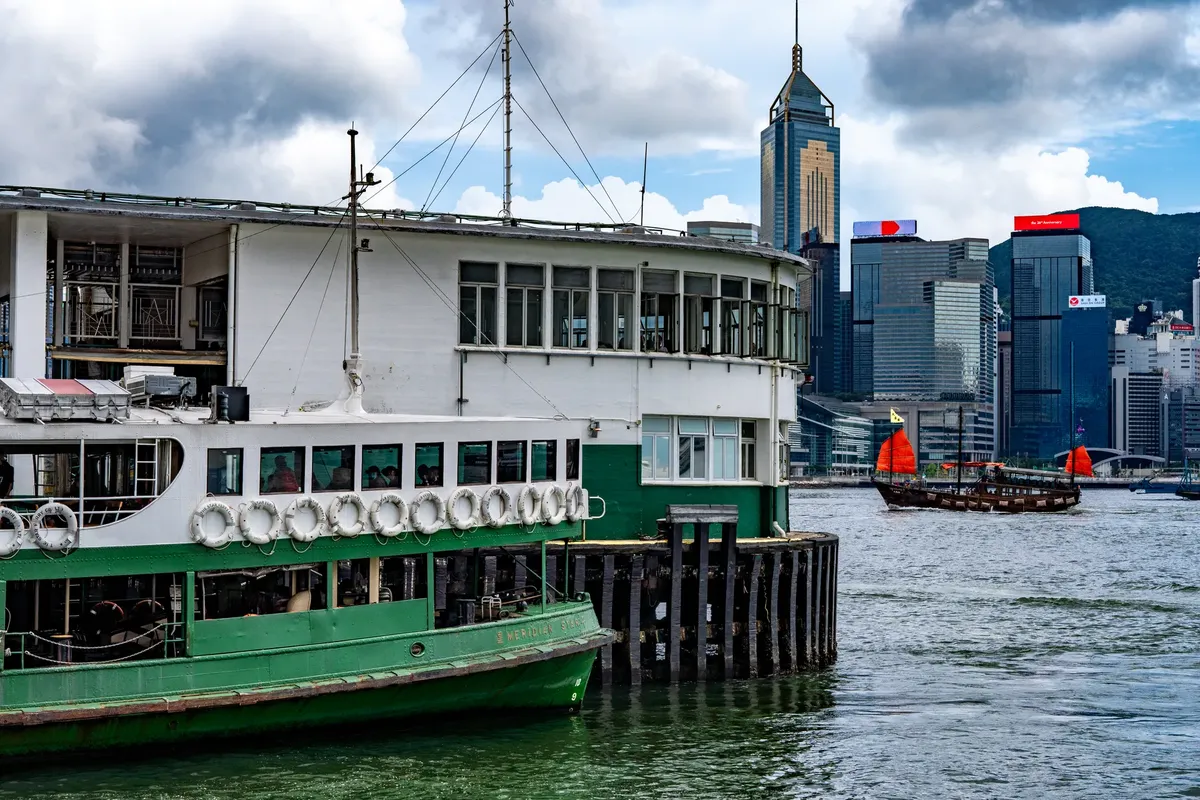
If your focus is on classic landmarks and harbor views, the Kowloon side might be more convenient. If you prefer being in the heart of the financial district, the Island side is hard to beat.
Pros and cons of each area become clear once you consider your specific interests, such as nightlife or museum visits.
- Determine your primary interests, such as shopping or nightlife.
- Evaluate your preferred transit routes.
- Assess your budget for different accommodation styles.
Which of these two major districts is right for me? A traveler sits in a local cafe, looking at a map that shows the split between Kowloon and Hong Kong Island. To make an informed decision, it is helpful to look at the fundamental differences between the two regions.
Using the following table, you can see how they compare across common traveler priorities.
| Feature | Tsim Sha Tsui (Kowloon) | Central (Hong Kong Island) |
|---|---|---|
| Primary Vibe | Vibrant shopping and waterfront | Professional and upscale urban |
| Accessibility | Great for harbor views and local markets | Central hub for business and nightlife |
I once found that selecting a hotel in Tsim Sha Tsui made my morning walks to the waterfront much easier. Choosing between these two areas involves balancing the desire for convenience with the desired atmosphere.
In this comparison, the second section is the most detailed.
Practical steps for selecting your accommodation
A traveler checks into a hotel, setting their luggage down in a compact but efficient room. To finalize your decision, follow these three steps to ensure your stay meets your needs.
- Identify your primary activity, such as shopping, dining, or business, to see which district fits best. 2. Check the proximity of your chosen hotel to the MTR stations or ferry piers to minimize travel time. 3. Review the specific amenities offered by the hotel to ensure they meet your comfort requirements.
After completing these steps, perform a final check of your itinerary to ensure the location does not add excessive travel time to your main attractions.
Consider your proximity to the MTR to ensure easy travel across the harbor.
Limitations of the comparison
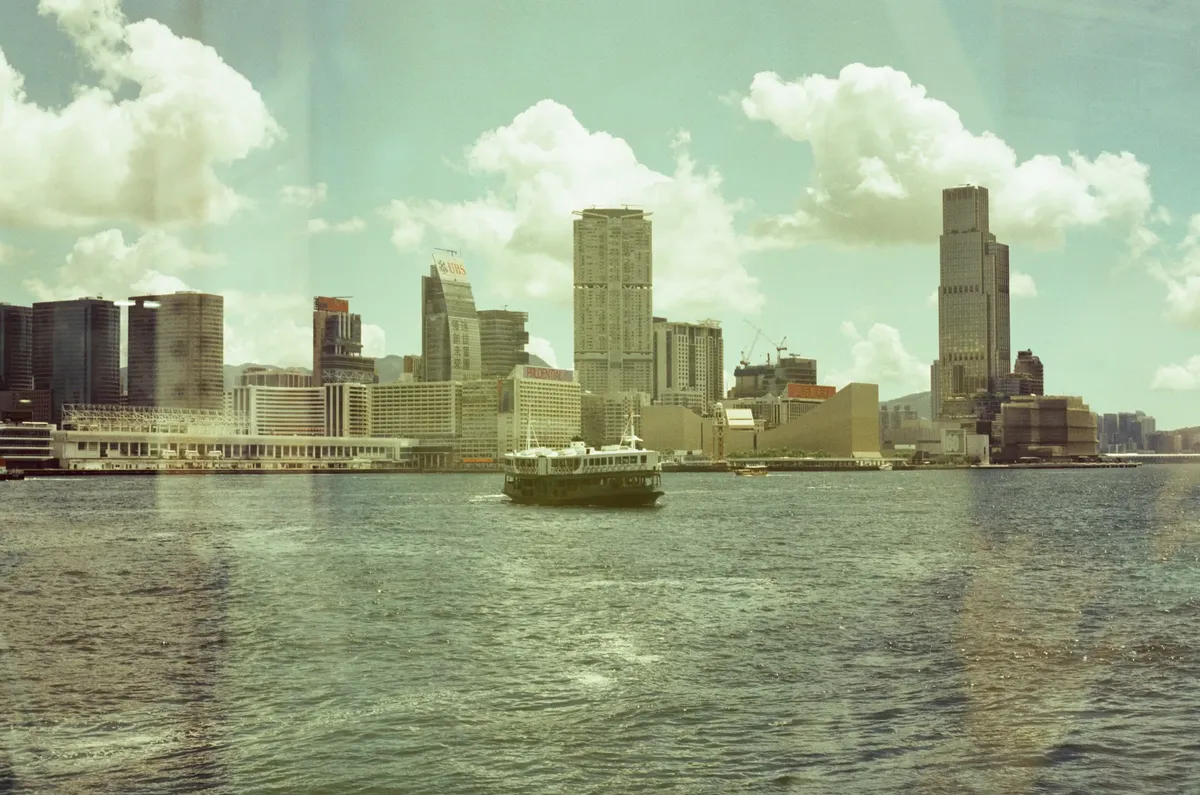
A traveler looks out a window at the dense urban landscape, realizing that no single area fits every traveler perfectly. A limitation of this comparison is that it does not account for the specific budget or the exact location of every individual hotel.
The choice of a Tsim Sha Tsui vs Central stay is also subject to seasonal availability and specific neighborhood developments. While these two areas are major hubs, other parts of the city offer different experiences entirely.
This overview focuses on the primary characteristics of each district and does not cover every neighborhood in Hong Kong.
The same subject is also called HK accommodation choice.
Related
- Tsim Sha Tsui vs Central: Your Hong Kong hotel guide
- Octopus Card Hong Kong Travel: Your Transit Guide
When is Choosing between TST vs Central most critical?
Choosing between TST vs Central becomes most critical when your schedule involves balancing activity types. If your day requires both intensive business meetings in Central and leisurely waterfront exploration in TST, location choice matters greatly.
The comparison forces a decision regarding which activity receives priority during transit times.
- If your main objective is high-end business engagement, Central offers unparalleled focus. 2. If your main objective is immersive local culture and markets, TST provides the immediate immersion. 3. Successful navigation hinges on how you plan to divide your time between the two distinct environments.
What are the long-term implications of Choosing between TST vs Central?
Choosing between TST vs Central has implications beyond just the immediate visit. The chosen base influences the rhythm of your entire trip. A base in TST suggests an openness to local discovery, whereas a base in Central implies a focus on structured, high-end activities.
The traveler must consider how the chosen base affects spontaneous excursions. For instance, a TST base allows for easier dipping into local markets on short notice. Conversely, a Central base facilitates seamless access to upscale dining experiences throughout the Island.
Ultimately, the choice shapes the texture of your entire Hong Kong adventure.
Wikipedia: Hong Kong Based on the retained excerpt mentioning Standing Committee of the National People: In response to large-scale protests in 2019 and 2020, the Standing Committee of the National People's Congress passed the controversial Hong Kong national security law.



Comments 0