90 Minutes Before Sunset: See Hong Kong's Full Spectrum
"The city below is a sea of electric amber, and for a moment, you realize you aren't just looking at a skyline; you are looking at the heartbeat of Asia."
To capture the legendary Hong Kong skyline, you must time your arrival to hit the transition from golden hour to the deep blue of twilight.
The perfect visit follows a specific sequence: arriving an hour before sunset, lingering through the blue hour, and staying until the city lights reach full intensity.
Key Takeaways: * Target Arrival: Aim to reach the Peak approximately 60 to 90 minutes before local sunset. * The Sequence: Prioritize the transition from daylight to dusk to capture the changing colors of the harbor.
* Strategic Spotting: Use the main observation decks for panoramas and the quieter walking paths for intimate photography. * Logistical Flow: Coordinate your ascent with the Peak Tram schedule to avoid the heaviest evening queues.
When is the best time to visit Victoria Peak? The humid air at the base of the Peak Tram station feels heavy against your skin as you join the queue of travelers, all eyes fixed on the steep incline ahead. I remember standing there in July 2025, checking my watch every five minutes, knowing that the window of opportunity was narrow.
According to World Bank, Hong Kong recorded international tourist arrivals of 3,569,000 in 2020.
Timing is the difference between a standard tourist photo and a masterpiece.
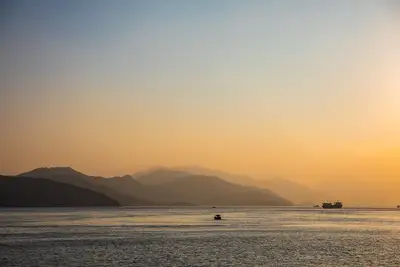
To witness the full transformation of the skyline, you should aim to be at the summit during the "Golden Hour." This is the period just before sunset when the light turns warm and amber, casting long, dramatic shadows across the dense high-rises of Central and Wan Chai.
However, the real magic happens during the "Blue Hour." This is the short window after the sun has dipped below the horizon but before the sky turns pitch black.
During this time, the sky takes on a deep, velvety blue that provides a stunning contrast to the artificial yellow and white lights of the skyscrapers.
Weather plays a decisive role in your experience. In Hong Kong, fog can roll in quickly, swallowing the skyline in a thick white veil. It is wise to check the local weather forecast and visibility reports before making the ascent.
If the clouds are low, you might find yourself standing in a white void rather than overlooking a city.
Crowd management is another vital factor. While the evening is the most popular time, arriving in the late afternoon allows you to beat the massive surge of tourists who typically descend upon the Peak once darkness falls.
But even with perfect timing, you need to know exactly where to stand to catch the light.
Where can I find the most iconic views? Walking along the paved paths of the Peak Tram Garden, the scent of damp earth and tropical greenery meets the cool breeze of the higher altitude. You reach a clearing, and suddenly, the entire harbor unfolds below you.
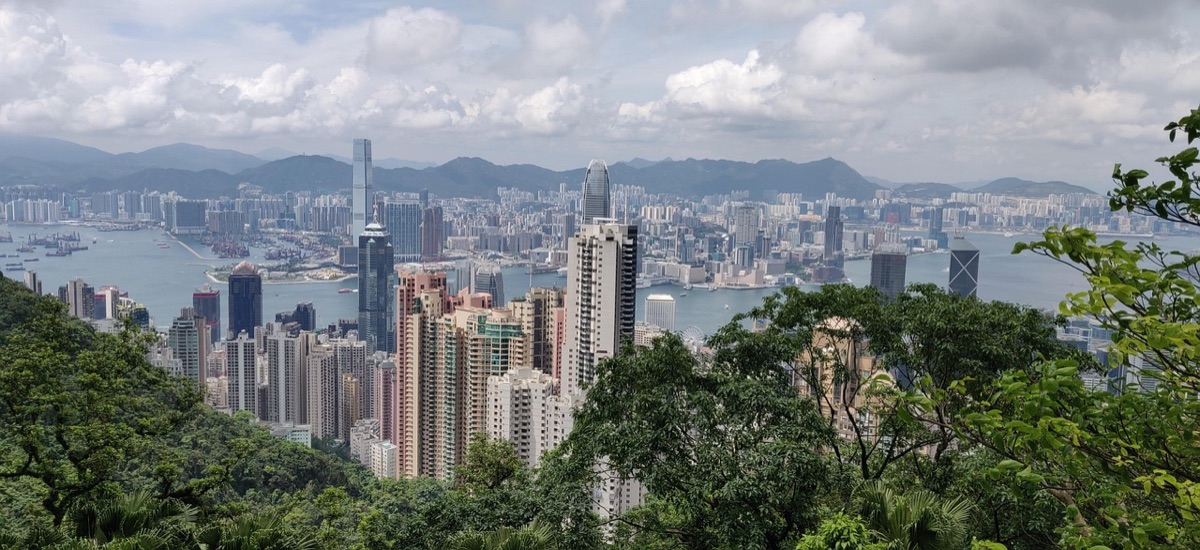
The main observation deck at the Peak Tower offers the most immediate and comprehensive view. From this elevated vantage point, you can see the sheer density of the urban landscape, stretching from the sheer cliffs of Victoria Peak down to the water's edge.
It is the perfect spot for wide-angle shots that capture the scale of the territory.
For those seeking a different perspective, the Mid-Level walkways and certain terrace points along the ascent offer a more layered view. These spots allow you to look *across* at the buildings rather than just down on them, providing a sense of the verticality that defines Hong Kong.
You can also choose between panoramic views and close-up photography. The wide-sweeping vistas are best captured from the higher ridges, while the lower, more structured walkways allow you to focus on the intricate details of the neon-lit streets and the movement of the ferries in the harbor.
For a quieter experience, look for the secondary viewpoints reachable by short walks away from the main tourist hubs. These spots are often less crowded and provide a more contemplative atmosphere for photography enthusiasts.
However, knowing the spots is only half the battle; you need a plan to move through them.
How Do You Master the Ultimate Visit Sequence?
The sound of the tram's mechanical hum rises in pitch as the carriage begins its steep, rhythmic climb up the hillside. You grip the handrail, feeling the slight tilt of the vehicle as you rise above the urban canopy.
To maximize your experience, follow this structured sequence:
- The Ascent Ritual: Start by arriving at the Peak Tram station in Central by 5:00 PM. Once you have secured your tickets, take the tram up to the summit to witness the transition from the city level to the mountain.
- The Sunset Phase: Upon arrival, move immediately to a high-altitude viewpoint to catch the sun dipping behind the mountains. This is your window for warm, golden tones.
- The Blue Hour Phase: Once the sun disappears, transition to a different vantage point—perhaps a lower terrace—to capture the sky as it turns deep blue against the emerging city lights.
- The Night View Prime Slot: Finally, settle into your final position as the city reaches full illumination. This is when the contrast between the dark mountains and the bright harbor is at its peak.
If you are a photographer, your sequence should move from wide shots during the day to detail shots during twilight, and finally to long-exposure shots of the city lights at night. This ensures you capture the full evolution of the landscape.
For those with more time, you can integrate a dining reservation into your plan. A late dinner at a restaurant overlooking the harbor can serve as a perfect way to wind down after the viewing. Just ensure your reservation is timed so you don't miss the peak viewing hours.
But what happens once you leave the viewpoint and head back toward the city?
Beyond the View: Enhancing Your Peak Experience
The clinking of porcelain tea sets and the aroma of steaming dim sum fill a nearby dining room, offering a warm refuge from the evening breeze. You sit by a window, looking out at the glowing skyline while you wait for your meal.
A visit to the Peak is more than just a photo opportunity; it is an opportunity to integrate local flavors into your itinerary. Many restaurants at the Peak offer dining experiences that complement the views.
High-end establishments provide a sophisticated atmosphere, while more casual spots allow you to enjoy local flavors while overlooking the city.
The journey itself is a significant part of the experience. The Peak Tram is an iconic piece of Hong Kong history, and the sensation of ascending the steep incline is a thrill in its own right.
If you prefer a different route, the Peak via bus or taxi offers a different visual transition through the lush greenery of the hills.
After your viewing is complete, plan your descent. The Peak Tram can have long lines in the evening, so you might consider taking a bus or a taxi back down to Central to avoid the wait. This transition is a good time to reflect on the sheer scale of the city you have just witnessed.
The scale of the city is a reminder of the unique geography of Hong Kong. With approximately 40% of the land area consisting of country parks and nature reserves, the juxtaposition of dense urbanism and rugged natural beauty is one of the most striking features of the region.
| Feature | Peak Tram | Peak Bus/Taxi |
|---|---|---|
| Speed | Fast and rhythmic | Steady and direct |
| View | Dramatic vertical ascent | Scenic hillside drive |
| Crowd Factor | High during peak hours | Generally lower |
| Experience | Iconic/Historical | Practical/Direct |



Comments 0