Octopus Card: Your 100% Guide to Seamless Hong Kong Travel
"In Hong Kong, your entire day—from the first dim sum to the last ferry ride—can be managed with a single tap."
If you want to move through the neon-lit streets of Mong Kok or the steep hills of Central without constant friction, you need one thing: an Octopus Card. It is more than just a transit pass; it is the heartbeat of the city's economy.
Key Takeaways: * The Octopus Card is the essential key to unlocking seamless movement across Hong Kong's transit, dining, and retail ecosystems. * Maximize its utility beyond transit by using it for countless daily transactions, making it indispensable for deep immersion into local life.
* Understanding its top-up, usage zones, and payment acceptance ranges is crucial for a truly frictionless journey.
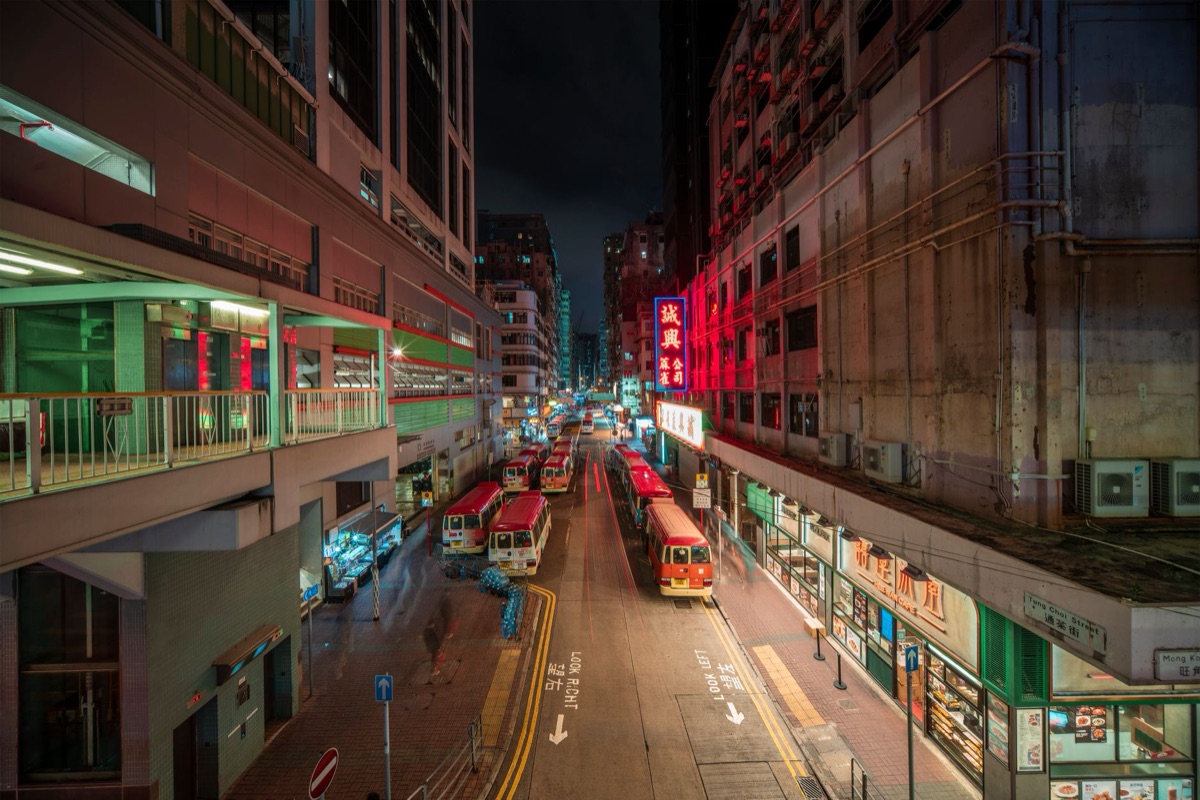
Why is the Octopus Card Non-Negotiable for Tourists?
Standing in the middle of a crowded Star Ferry terminal at 6:00 PM, you watch a sea of commuters move with surgical precision. There are no long lines for paper tickets and no frantic searching for exact change in pockets full of coins.
Everyone simply taps a plastic card or a smartphone against a reader, and the gates swing open instantly.
The Octopus Card is the primary reason why Hong Kong moves so smoothly. In a city where time is the most valuable commodity, waiting in line to buy single-journey tickets for the MTR (Mass Transit Railway) is a waste of precious exploration time.
In 2025, as digital integration hit new heights, the friction of manual ticketing became even more of a hindrance to travelers.
While you could technically buy individual tickets, you would spend your entire trip digging through your wallet and dealing with faulty paper slips. In a single afternoon, you might make 12 different stops; using single tickets would turn that into a logistical nightmare.
Beyond the trains, the card acts as a universal digital wallet. It is accepted in almost every convenience store, most cafes, and even many small vendors across the territory. It bridges the gap between the high-tech skyscrapers of West Kowloon and the traditional street markets of Sham Shui Po.
Having a well-funded card ensures you are never caught off guard. If you are transitioning from a long hike on Dragon's Back to a sudden rainstorm, you won't have to hunt for an ATM just to pay for a bus or a quick snack.
But what happens when you actually step onto the platform?
How can I navigate Hong Kong like a local? The hum of the MTR station is the soundtrack of Hong Kong. You stand before the turnstile, tap your card, and the gate retracts with a satisfying beep, whisking you toward your destination.
The MTR is the backbone of the city, and the Octopus Card is its key. The system is divided into different zones, but the card automatically calculates the correct fare as you tap in and tap out.
In July 2026, as ridership numbers hit new peaks, this automated calculation remains the only way to keep the city moving.
It isn't just about the underground trains. The card works seamlessly on the iconic double-decker buses that navigate the winding roads of Hong Kong Island and the Star Ferries that cross Victoria Harbour. Even the historic trams, known affectionately as "Ding Dings," accept the card.
This level of integration allows you to switch from a high-speed rail to a slow-moving tram without ever needing to carry physical cash for transit. When I first arrived in the city, I was relieved to find that I didn't need to carry a heavy pouch of coins just to ride the tram through Wan Chai.
For those arriving at the airport, the Airport Express (AEL) is the fastest way to reach the city center. The Octopus Card works perfectly on the AEL, making the transition from the plane to your hotel in Tsim Sha Tsui incredibly smooth.
Just remember to check your balance before you head to the station to avoid any last-minute delays at the gates. However, the utility of the card extends far beyond the tracks.
Where else can I use my Octopus card? The smell of steaming shrimp dumplings wafts through a crowded tea house in Causeway Bay. You sit down, order your dim sum, and when the bill arrives, you simply tap your card on the small terminal at the table.
This is where the Octopus Card truly shines for travelers. In the fast-paced world of *Cha Chaan Tengs* (local tea restaurants), efficiency is king. Many of these local eateries, which serve everything from pineapple buns to wonton noodles, accept Octopus payments.
It allows you to participate in the local food culture without the clunky ritual of counting out small change during a busy lunch rush. In a crowded shop in Mong Kok, where you might only have 30 seconds to pay before the next customer arrives, the tap-and-go nature is a lifesaver.
Convenience stores like 7-Eleven and Circle K are ubiquitous in Hong Kong. They serve as the primary hubs for travelers to grab water, grab a quick meal, or top up their cards. In these stores, the Octopus Card is as common as a credit card, making it easy to pick up travel essentials on the go.
Even in smaller retail settings, such as pharmacy chains or small boutiques in the Ladies' Market, you will find the card is widely accepted. It reflects the high-tech, efficient nature of Hong Kong life, where the transition from "paying" to "moving" is nearly instantaneous.
But how do you manage the money on the card without running into trouble?
Maximizing Your Trip: Advanced Octopus Usage & Top-Ups
You sit at a small cafe table, looking at your card balance on your phone. You realize you have enough for the week, but you need to plan your next move to ensure you don't run out of funds during a late-night ride.
Strategic top-ups are the secret to a stress-free trip. You can add money to your card at any MTR station through automated machines or at many convenience stores. It is wise to keep a buffer of at least $100–$200 HKD on the card to cover unexpected taxi rides or higher-priced meals.
If your card ever malfunctions or is lost, don't panic. While you can replace a lost card at MTR customer service centers, you should know that the balance on a lost physical card is generally not recoverable unless you have registered it.
For most tourists, using a physical card is simple, but staying aware of your balance through the Octopus mobile app (if using a compatible smartphone) can prevent you from being stuck at a gate. In 2026, most travelers find the mobile version much more convenient than the physical plastic.
For international visitors, the ease of entry is a major plus. Many travelers can enter Hong Kong without a prior visa, making the acquisition of an Octopus Card at the airport one of the very first and most important tasks of the trip.
| Feature | Single Journey Ticket | Octopus Card |
|---|---|---|
| Convenience | Low (requires manual purchase) | High (tap and go) |
| Versatility | Transit only | Transit, Dining, Retail |
| Speed | Slow (queuing at machines) | Instant |
| Cost-Effectiveness | High per-trip cost | High (often includes discounts/efficiency) |
The Essential Octopus Checklist
To ensure you never face a "low balance" error at a turnstile, follow this routine:
- Initial Setup: Purchase your card at the Airport Express counter immediately upon landing to ensure you can reach your hotel.
- The Buffer Rule: Always maintain a minimum balance of $50 HKD to prevent being stuck at an exit gate.
- Routine Top-Ups: Visit a 7-Eleven or an MTR service center every 2–3 days to top up in increments of $100–$200 HKD.
- Digital Sync: If using a smartphone, check your balance through the app every morning before leaving your accommodation.
- Final Settlement: Before leaving the city, visit an MTR customer service center to settle your remaining balance and reclaim your deposit.
*Note: While the Octopus Card is incredibly versatile, it is not a universal solution for all spending. It cannot be used for high-value luxury purchases at department stores or for paying rent/hotel bills directly. It is a tool for daily, granular transactions.*
Essential Travel Context
Hong Kong is a global powerhouse and a massive regional hub. It serves as a gateway between the East and the West, attracting millions of visitors every year. Because of its density and high-speed lifestyle, the city relies on systems that prioritize movement.
According to the Hong Kong's Financial Services and the Treasury Bureau, a new law proposed in November 2020 would restrict cryptocurrency trading to professional investors, effectively removing 93% of the trading population from the market.
According to the Hong Kong Tourism Board, overall visitor arrivals to Hong Kong in 2010 totaled just over 36 million. According to the World Bank, Hong Kong recorded a GDP per capita of US$56,983 in 2025.
The visitor profile is incredibly diverse, ranging from high-end luxury travelers to backpackers exploring the mountains of Lantau Island. Regardless of your budget, the Octopus Card provides a level of baseline efficiency that makes the city accessible to everyone.
It turns a potentially overwhelming metropolis into a manageable, navigable playground. By following these simple steps, you can spend less time worrying about how to pay and more time exploring the vibrant streets of Kowloon and the heights of Victoria Peak.





Comments 0