Art Basel HK 2026: Pulse of Asian Art Market Arrives
"The intersection of global capital and creative vision makes Art Basel Hong Kong the definitive pulse of the Asian art market."
As the 2026 fair approaches, collectors and casual observers alike are looking toward the Hong Kong Convention and Exhibition Centre to see which movements will define the next decade.
Whether you are looking to acquire a masterpiece or simply want to stand before a monumental installation, understanding the layout and the curation is essential.
Key Takeaways * Curatorial Focus: Expect a heavy emphasis on cross-border digital integration and large-scale installations that bridge traditional medium with new technology. * Trend Watch: Watch for a resurgence in Southeast Asian contemporary works and high-concept sculpture.
* Logistical Strategy: Use the official fair app for real-time booth locations and book private viewing appointments weeks in advance to avoid disappointment.
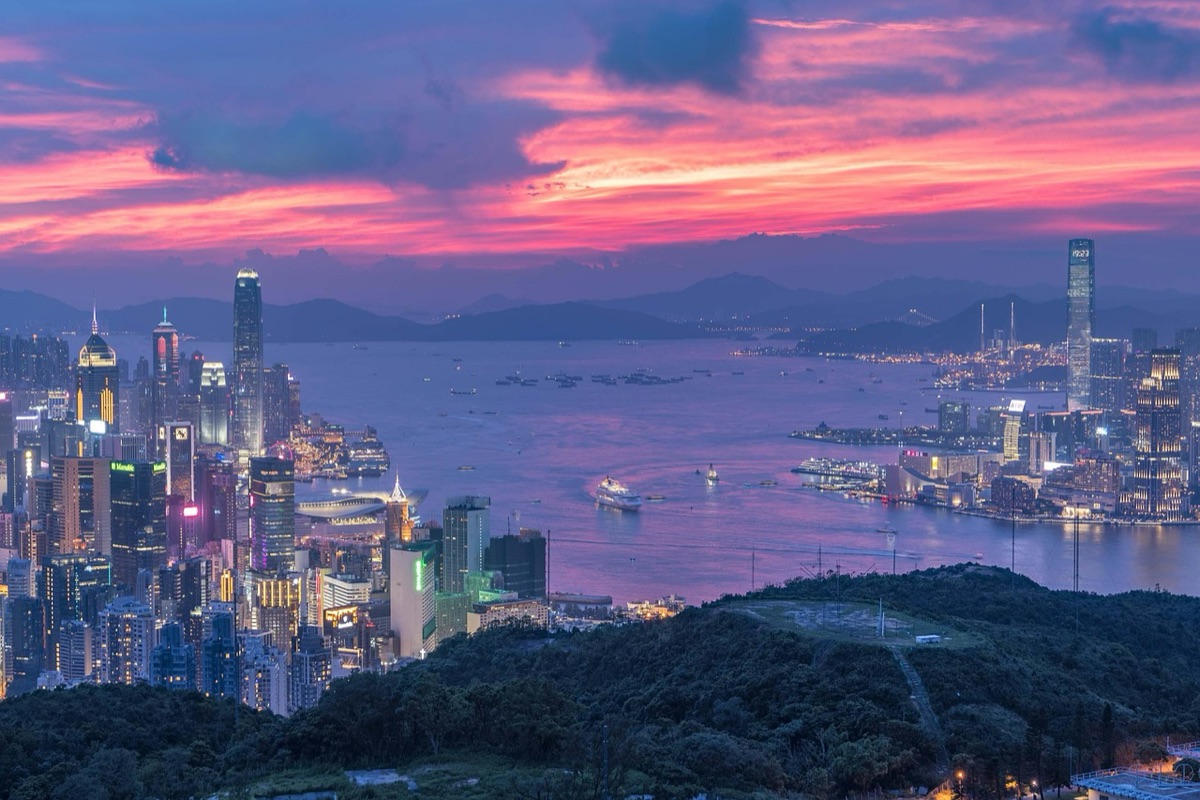
What can I expect at the 2026 Fair? The morning sun hits the glass facade of the Hong Kong Convention and Exhibition Centre, reflecting a city that is as much a financial hub as it is a cultural titan. Visitors move through the wide corridors, coffee in hand, scanning digital maps to find specific booths.
The 2026 fair is expected to maintain its massive scale, functioning as a high-density ecosystem of global talent.
While the Main Hall remains the heart of the event, where blue-chip galleries present established names, the satellite events scattered throughout Wan Chai will offer a more experimental atmosphere.
This year, the curation leans heavily toward a "Global South" perspective, bringing a diverse range of voices from emerging markets into the central spotlight. To navigate this successfully, you must understand the hierarchy of the floor plan.
The high-traffic aisles often house the most recognizable names, but the quiet corners often hold the most significant discoveries.
If you are looking for a quiet moment to contemplate a piece, aim for the mid-morning slot right after opening, or the final hour before the doors close. But don't let the quiet corners fool you; sometimes the most expensive decisions happen in the shadows.
Why do certain works demand so much space?
A quiet gallery space, white walls, and a single, massive canvas that seems to vibrate under the LED lighting. A visitor stands back, squinting, trying to understand where the texture ends and the shadow begins.
While specific piece reveals are often kept under wraps until the fair opens, the 2026 lineup is rumored to feature heavy-hitting installations that challenge the physical boundaries of the booth.
We expect to see a significant presence of large-scale, multi-media works that integrate augmented reality—pieces that look different through a smartphone lens than they do to the naked eye.
Beyond the "celebrity" artists, keep a sharp eye on the emerging talent sections. These booths often feature younger artists working with sustainable materials or digital-physical hybrids.
If you are looking for specific mediums, remember that sculpture often requires more breathing room; don't be afraid to wander toward the perimeter of the hall where larger installations are typically placed to allow for better sightlines.
I remember walking through a similar hall last year, where a 3-meter tall sculpture nearly blocked my path, forcing me to realize that scale is just as much a part of the art as the medium itself. This physical presence makes you wonder: what happens when the art starts looking back?
Visitor’s Playbook: How to maximize your experience
Walking through a crowded hall, the heat of the crowd meets the cool air-conditioning, and the sheer volume of visual stimuli can become overwhelming. A collector checks their watch, looking at a list of three specific galleries they must visit before lunch.
Success at Art Basel Hong Kong requires a strategy that balances curiosity with efficiency. First, do your homework. Use the official fair website to research the participating galleries. Knowing which booths represent which movements will prevent you from wandering aimlessly.
- Pre-Visit Research: Identify your "must-see" artists and their respective galleries.
- Appointment Setting: If you are a serious collector, contact galleries ahead of time to secure private viewing slots.
- The "Walk-Through" Phase: Spend your first hour doing a general loop of the hall to understand the layout before diving deep into specific booths.
- The "Deep Dive" Phase: Return to your priority booths once you have a sense of the fair's flow.
For first-timers, a slower pace is better. Don't try to see everything in one day. For seasoned collectors, the goal is often speed and precision, which is why early morning entry is vital. However, if you rush, you might miss the very thing you came to find.
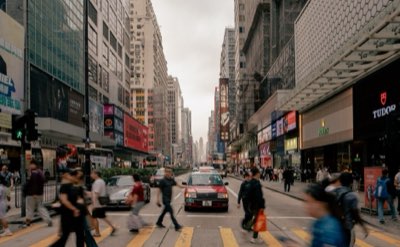
Is the city itself part of the art? The neon signs of Wan Chai flicker to life as dusk falls, casting a colorful glow over the streets where art lovers gather for dinner. A group of friends sits at a small table, discussing a painting they saw only an hour ago.
The fair does not exist in a vacuum; it is deeply intertwined with Hong Kong's identity as a bridge between East and West. The city's unique ability to blend high-speed modernity with deep-rooted tradition is reflected in the fair's curation.
You might see a traditional ink painting sitting near a cutting-edge digital sculpture, mirroring the city's own skyline.
To truly experience the fair, you must step outside the convention center. Pairing a day of art with a visit to a local tea house or a high-end dining experience in Central makes the trip a holistic cultural immersion.
The fair is a momentary peak, but the city's surrounding galleries and museums provide the necessary context to understand why this event matters globally. But even with all this context, there is a reality to the market that no amount of atmosphere can change.
Note on Scale and Context
While the art market is a specialized field, it is driven by global movement. For context, according to World Bank data, Hong Kong recorded a GDP per capita of US$56,983 in 2025. This economic stability supports its role as a premier destination for high-value international events like Art Basel.
Additionally, looking back at historical trends, during 2006, 62.7% of all visitors to Hong Kong stayed one night or longer, reflecting its role as a major regional hub—a trend that continues to define its capacity to host massive global gatherings.
It is important to note that these trends and economic figures do not guarantee individual success or specific market movements. The art market is subjective, and high-value events are subject to global economic shifts that can impact attendance and sales unpredictably.


Comments 0