Hong Kong Dining: 5 Tips for Your Ultimate Foodie Journey
"The best way to taste the soul of a city is to eat where the locals fight for a seat."
Navigating a global culinary capital requires a balance of high-end planning and spontaneous street-side exploration. To master the art of dining in a dense urban hub, you must learn to navigate both white-tablecloth elegance and the chaotic charm of a crowded noodle shop.
* Balance Michelin-starred dining with high-quality "Bib Gourmand" local gems. * Prioritize advanced reservations for flagship restaurants to avoid disappointment. * Time your visits to local eateries to catch them right at opening to beat the crowds. * Understand the distinction between formal dress codes and casual street dining.
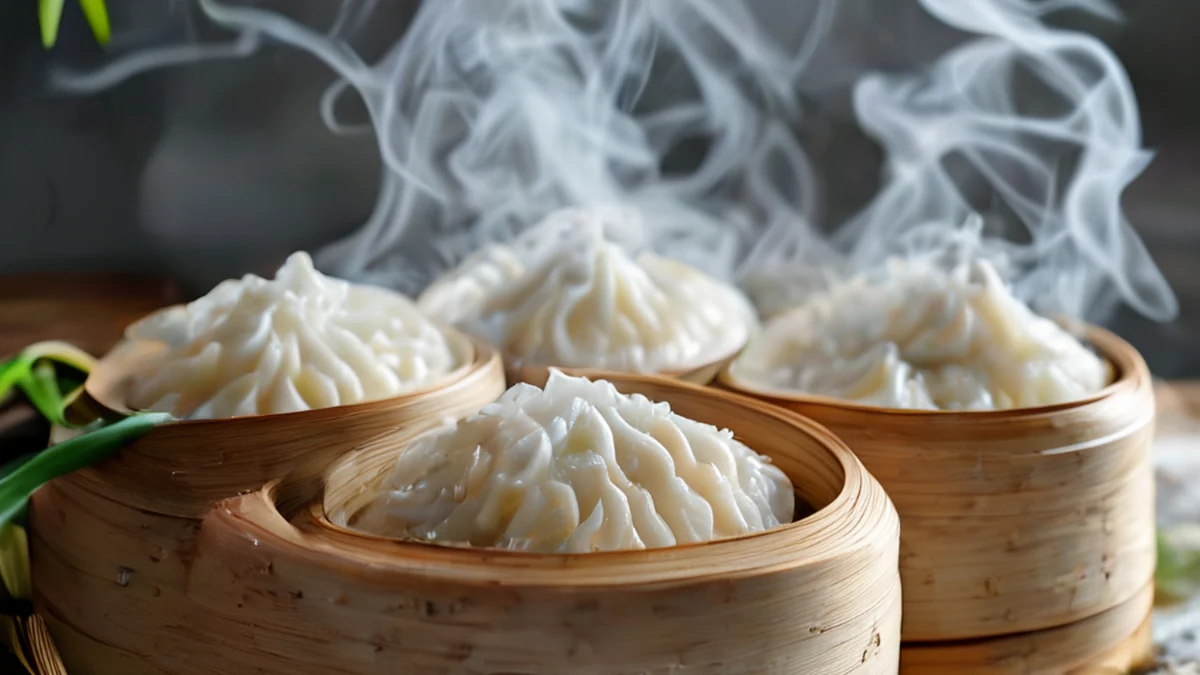
Why does the Michelin Guide focus so heavily on this city?
The air in a narrow Central district alleyway is thick with the scent of roasted duck and jasmine tea as the evening lights begin to flicker. You step into a tiny, dim restaurant where the clatter of porcelain and the hum of conversation create a rhythmic backdrop to the meal.
According to the Hong Kong's Financial Services and the Treasury Bureau, a proposed law in November 2020 would restrict cryptocurrency trading to professional investors, impacting the 93% of the trading population that consists of amateur traders.
According to the Hong Kong Tourism Board (HKTB), overall visitor arrivals to Hong Kong in 2010 totaled just over 36 million, a 21.8% increase over the previous year.
The city has long served as a global crossroads where Eastern traditions meet Western influences. This unique intersection has fostered a culinary environment of immense depth, where traditional techniques are constantly refined by global ingredients.
The Michelin Guide recognizes this by highlighting everything from high-rise luxury to hidden basement gems.
The sheer density of world-class options makes every meal an exploration of technique and tradition. Whether it is the precision of a master chef or the soul of a family recipe, the quality remains consistently high.
This reputation has turned the city into a primary destination for food enthusiasts worldwide.
The convergence of cultures has led to an evolution of flavors that is unique to this specific geography. This history of fusion and innovation is exactly what the Michelin Guide seeks to document. It isn't just about luxury; it is about the mastery of craft in a fast-paced environment.
But how do you distinguish between a once-in-a-lifetime splurge and a perfect everyday meal?
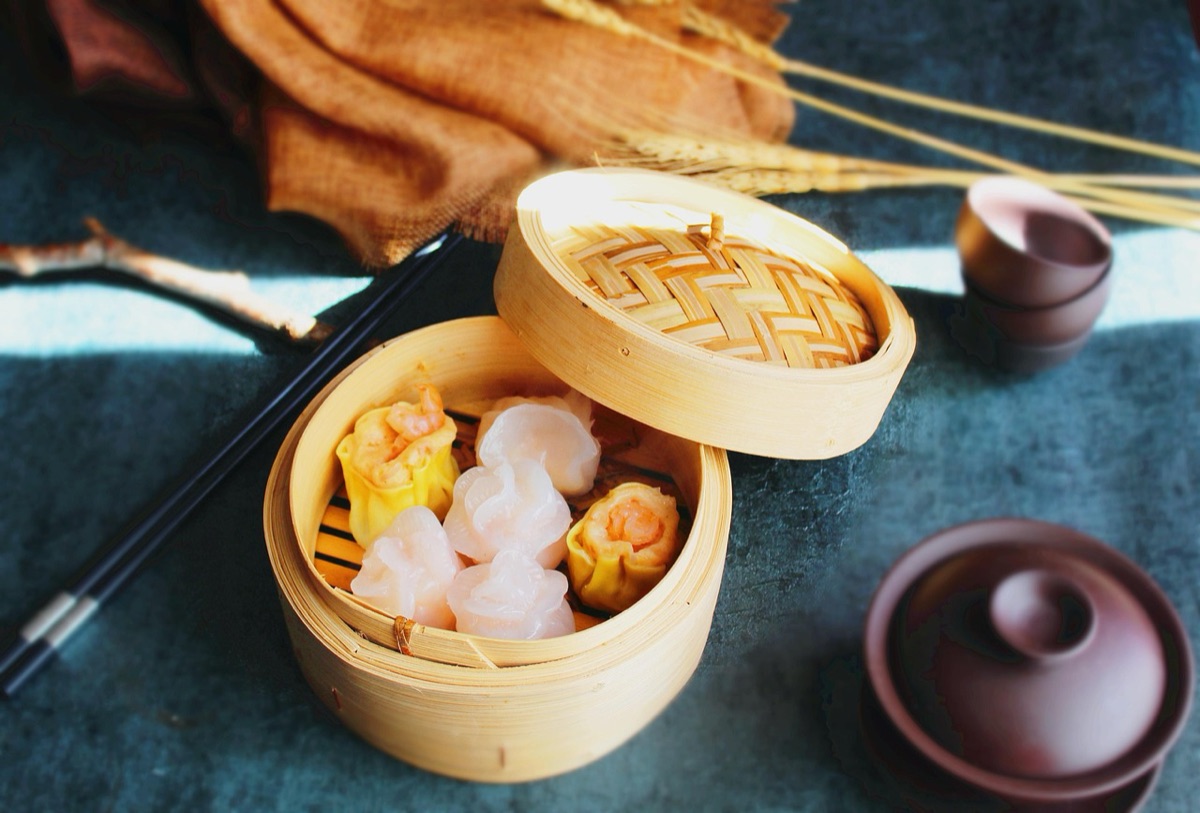
What is the difference between a Michelin Star and a Bib Gourmand?
A line of hungry patrons snakes around a street corner, some checking their watches while others chat animatedly. Some guests arrive in tailored suits, while others walk in wearing casual weekend attire, all seeking the same quality of food.
In November 2020, Hong Kong's Financial Services and the Treasury Bureau proposed a new law that will restrict cryptocurrency trading to professional investors only, leaving amateur traders (93% of Hong Kong's trading population) out of the market.
The Michelin Guide uses different tiers to categorize the dining experience. A Michelin Star is awarded to restaurants offering exceptional cuisine and impeccable service, often requiring a formal atmosphere.
In contrast, the Bib Gourmand recognizes restaurants that provide high-quality food at a more accessible price point.
| Category | Primary Characteristic | Best For |
|---|---|---|
| Michelin Star | Elite ingredients and artistic presentation | Special anniversaries or formal gatherings |
| Bib Gourmand | Excellent quality at a reasonable price | Food explorers and budget-conscious travelers |
| Michelin Selection | High-quality dining recognized by the guide | Adventurous eaters expanding their palate |
Dining at a starred restaurant often involves strict reservation requirements and specific dress codes. However, the Bib Gourmand category offers a way to experience top-tier flavors in a more relaxed, authentic setting.
By mixing these two styles in your itinerary, you can experience the full spectrum of the city's culinary identity. One night of luxury can be balanced by several days of high-quality local exploration.
The problem is that even with the right category in mind, logistics can still ruin a perfect meal.
How can you ensure a successful culinary journey?
The heavy scent of savory broth and the sizzle of a hot wok greet you the moment you push open a restaurant door. Before looking at a menu, you find yourself scanning the room to gauge the atmosphere and the typical attire of the guests.
According to World Bank data, Hong Kong recorded a GDP per capita of US$56,983 in 2025.
Success in a high-demand food scene requires strategic planning. For flagship Michelin-starred locations, booking weeks or even months in advance is often a necessity. This is especially true for weekends or holiday periods when walk-ins are virtually impossible.
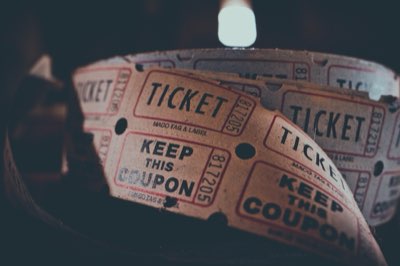
For local eateries, arriving right as they open is a pro move. This allows you to enjoy the freshest ingredients and avoid the crushing lunch or dinner rushes. Many popular spots use numbered ticketing systems, so grabbing a number as soon as you arrive is essential.
You should also account for operational quirks like "break times" or specific days of the week when certain kitchens are closed. Checking a restaurant's official website or calling ahead can prevent a wasted trip.
When I first planned a food tour in 2025, I learned the hard way that "opening time" doesn't always mean "service time." I once arrived at a famous dim sum house at 7:00 AM only to find they were still prepping for an 8:30 AM start.
- local gems).
- Confirm and secure reservations well in advance for high-demand spots.
- Plan your logistics, including travel time via transit or taxi.
- Prepare various payment methods, including both cards and cash.
- Research dress codes and local dining etiquette beforehand.
But once you are actually sitting at the table, how do you navigate the social landscape of the meal?
Essential tips and etiquette for food lovers
You sit shoulder-to-shoulder with a stranger in a crowded dining room, feeling the vibrant, compressed energy of the city. Despite the tight quarters, there is an unspoken order that keeps the dining experience seamless.
The most critical factor is managing your timing. While some places are easy to walk into, many of the most famous spots will turn you away without a reservation. This is particularly true for starred establishments where seating is strictly managed.
Pay attention to the dress code to avoid awkwardness. Some upscale venues may prohibit shorts or flip-flops, so checking the policy beforehand is wise. For casual spots, comfortable clothing is fine, but carrying small wet wipes can be helpful for hygiene.
Safety and cleanliness are generally high, but it is always smart to stay observant. While most restaurants maintain high standards, being mindful of personal hygiene in very crowded or market-adjacent areas is a good practice.
Maintaining a respectful volume is a key part of dining etiquette in dense areas. Being mindful of your neighbors ensures that everyone can enjoy their meal in peace.
Knowing where to go next is just as important as knowing how to eat.
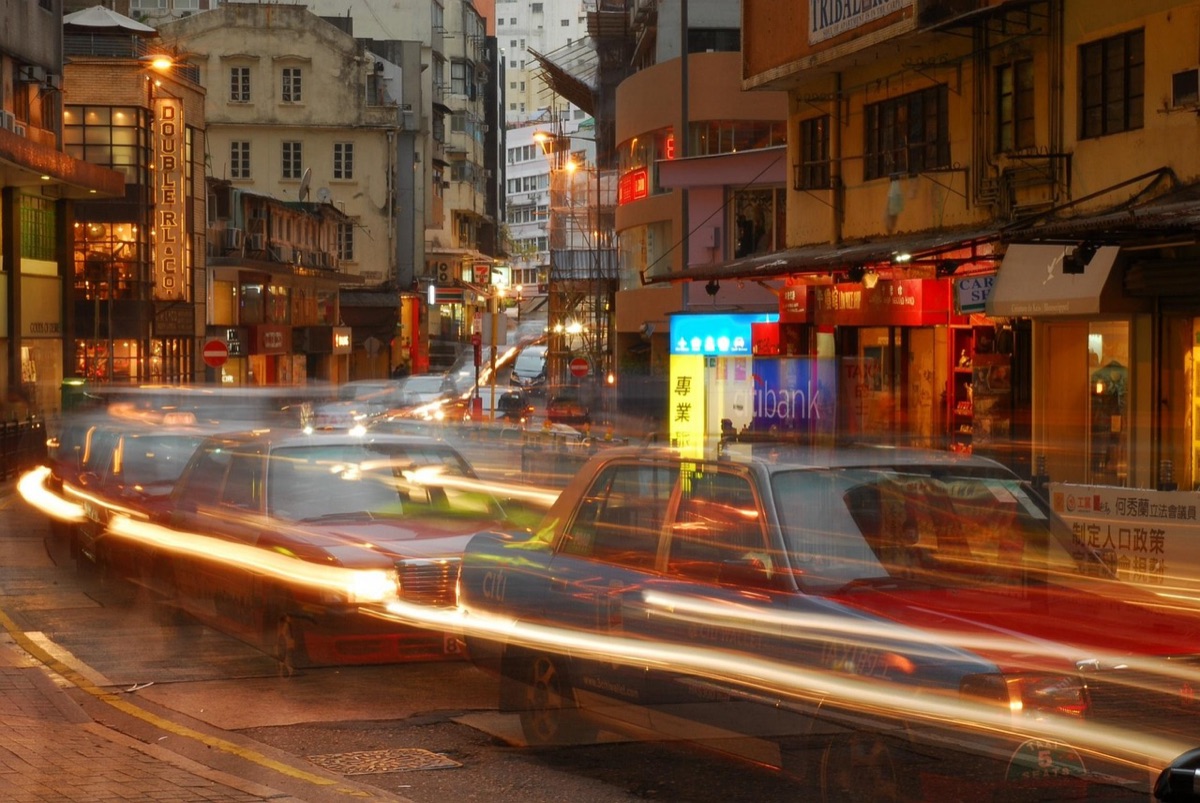
Connecting your meals to local sightseeing
You step out of a restaurant, patting your stomach as a cool breeze flows between the skyscrapers. The transition from a heavy meal to a light stroll is part of the city's unique rhythm.
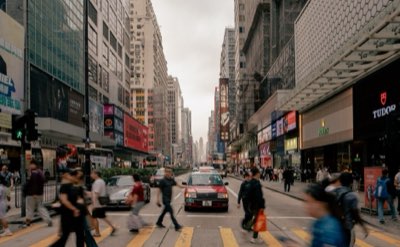
The most efficient way to travel is to group your dining by district. If you spend an afternoon in the Central district enjoying high-end cuisine, you can easily walk to the Mid-Levels via the outdoor escalators to find a trendy cafe.
The Tsim Sha Tsui area is perfect for those looking to pair spectacular views with upscale dining. After a meal, taking a ferry across the harbor or watching the skyline light up is a perfect way to conclude an evening.
Every district has its own "flavor profile." Some areas are known for trendy, modern fusion, while others are the go-to spots for fresh seafood or traditional morning dim sum.
* Central/Soho: High-end Michelin stars and trendy cafe hopping. * Tsim Sha Tsui: Grand dining with iconic harbor views. * Wan Chai/Causeway Bay: A mix of local flavors and shopping. * Lantau/Outlying Islands: Fresh seafood and nature-focused dining.
But as you look at your plate, you might wonder how to capture the perfect memory of the meal.
The future of dining and perfect photo moments
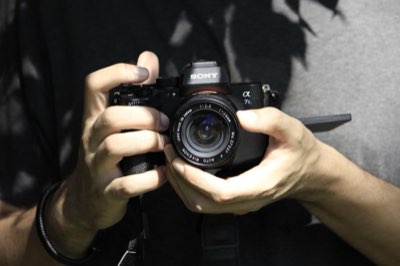
A beautifully plated dish is placed on the table, and you instinctively reach for your camera to capture the colors. Sitting by a window with natural light can turn a simple meal into a visual masterpiece.
Visual presentation is a major component of the dining culture here. Many Michelin-recognized spots focus as much on the aesthetics of the plate as they do on the taste. This makes the dining experience highly "instagrammable."
When taking photos, try to use natural light to highlight textures and colors. Just remember to be discreet so as not to disturb other diners or the flow of service.
In restaurants with panoramic views, the skyline becomes a living backdrop to your meal. This fusion of scenery and flavor elevates the entire experience to something memorable.
| Feature | Characteristic | Best Situation |
|---|---|---|
| Harbor View Dining | Overlining the water | Romantic dinners |
| Local Alleyway Eateries | Vibrant, authentic atmosphere | Immersive cultural experiences |
| Rooftop Dining | High-altitude city views | Sophisticated urban exploration |


Comments 0