Best Hong Kong Dim Sum: A Guide to Authentic Flavors
"The steam rising from a bamboo basket is the heartbeat of a morning in the city."
Finding the best Hong Kong dim sum requires navigating narrow streets and bustling tea houses to find authentic flavors. This guide explores how to select high-quality eateries, the traditional tea preparation methods, and the historical context of the city's dining culture. 1. Understanding traditional tea steeping techniques 2. Recognizing authentic dim sum characteristics 3. Navigating local dining environments * Contextualizing the city's tourism history
How is traditional tea prepared for dim sum?
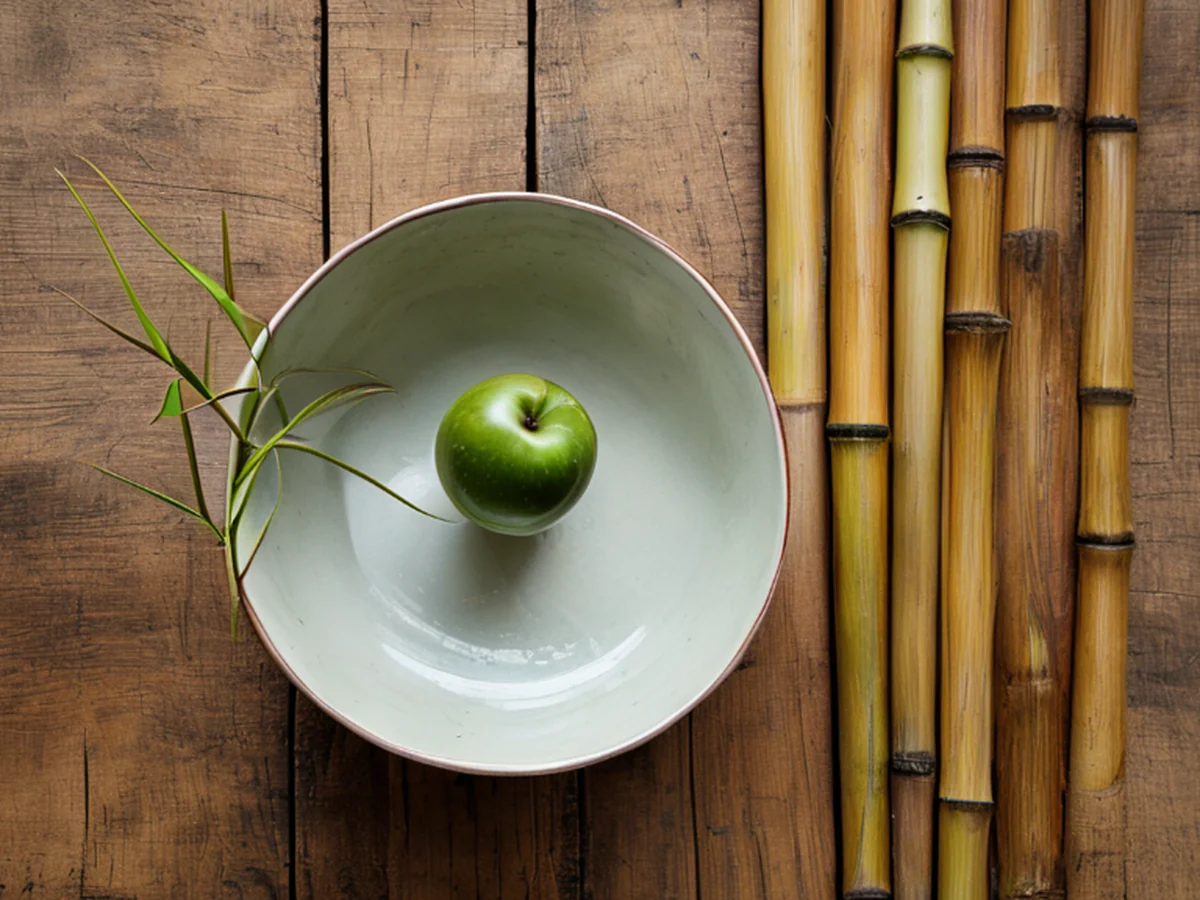
At sunrise, my hands tremble slightly as I pour steaming water over dried flowers into a ceramic pot in a quiet hong.
A hand reaches for a ceramic teapot to begin the morning ritual. To prepare the tea, chrysanthemum flowers (usually dried) are steeped in hot water (usually 90 to 95 °C (194 to 203 °F) after cooling from a boil) in a teapot, cup, or glass.
This delicate process ensures the tea complements the savory flavors of the meal.
The temperature of the water is critical to avoid burning the dried flowers. Using a teapot or glass allows the aroma to bloom alongside the food. This ritual has remained a staple of the dining experience for generations.
What defines the dining environment in Hong Kong? Best Hong Kong Dim Sum
A waiter maneuvers a heavy cart through a crowded dining room. The atmosphere in these establishments often reflects the city's role as a premier international destination, a goal pursued since the Tourism Commission was established in May 1999.
This history shapes the fast-paced yet traditional service found in many local eateries.
The environment is often lively, with many visitors seeking authentic experiences. Because the city serves as a regional hub, the dining culture attracts a diverse range of people. This constant movement defines the energy of a local tea house.
How does tourism history impact the food scene?
A traveler looks at a map while sitting in a brightly lit restaurant. The scale of movement in the city is significant; for instance, according to the Hong Kong Tourism Board (HKTB), overall visitor arrivals to Hong Kong in 2010 totalled just over 36 million, a 21.8% increase over the previous year.
According to the Census and Statistics Department, there is a suggestion that future goals should focus on high-end travelers, such as exhibition attendees or business travelers, as the previous reliance on the retail industry driven by independent travelers was criticized as unhealthy and unsustainable.
This influx of people keeps the culinary scene vibrant and competitive.
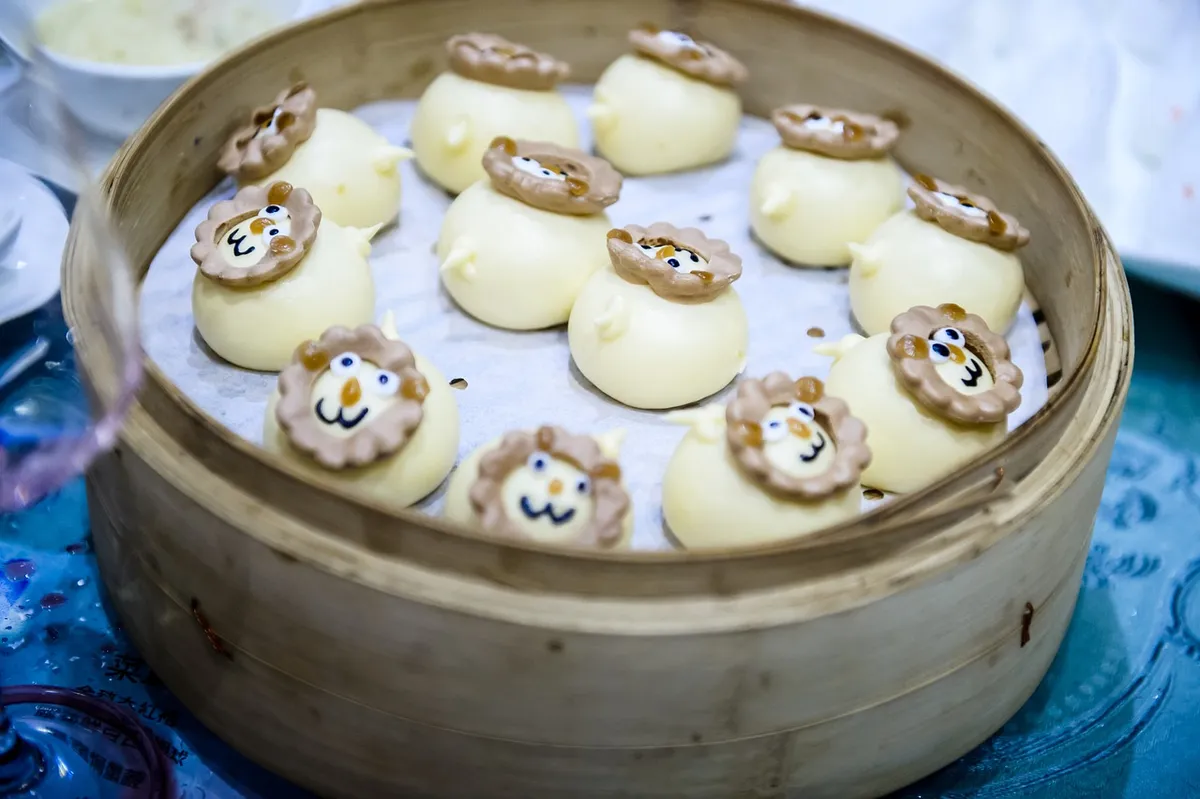
High volumes of visitors influence the variety of dining options available. The intersection of local traditions and international tastes creates a unique culinary landscape. This constant flow of people supports many of the city's famous food establishments.
What are the different types of visitors to the city?
A group of tourists gathers near a busy intersection to decide on their next meal. Different travelers bring different needs to the dining sector, such as those coming from long-haul markets.
In 2006, Europe, Africa and the Middle East took the lead with arrivals of 1,916,861, an 11.1% increase that made this Hong Kong's best-performing market region in 2006.
Understanding these visitor patterns helps in recognizing the diverse service styles in the city. Some travelers seek quick bites, while others look for long-standing traditions. The mix of people ensures that the food scene remains globally relevant.
How do economic factors influence local dining?
A business traveler checks a tablet while waiting for a table. Economic shifts can change how people interact with the hospitality industry. For example, according to World Bank data, Hong Kong recorded GDP per capita of US$56,983 in 2025.
Such economic indicators often correlate with the spending power and preferences within the catering sector.
Economic stability influences the luxury and casual dining balance. While some seek high-end experiences, others focus on the traditional, affordable staples. This balance is essential for a healthy local economy.
How can one find the best dim sum?
A diner carefully selects a bamboo steamer from a passing tray. Finding the right spot involves a few practical steps:
- Look for establishments that maintain traditional tea preparation methods. 2. Observe the freshness of the ingredients in the steamed baskets. 3. Check the local popularity and service speed.
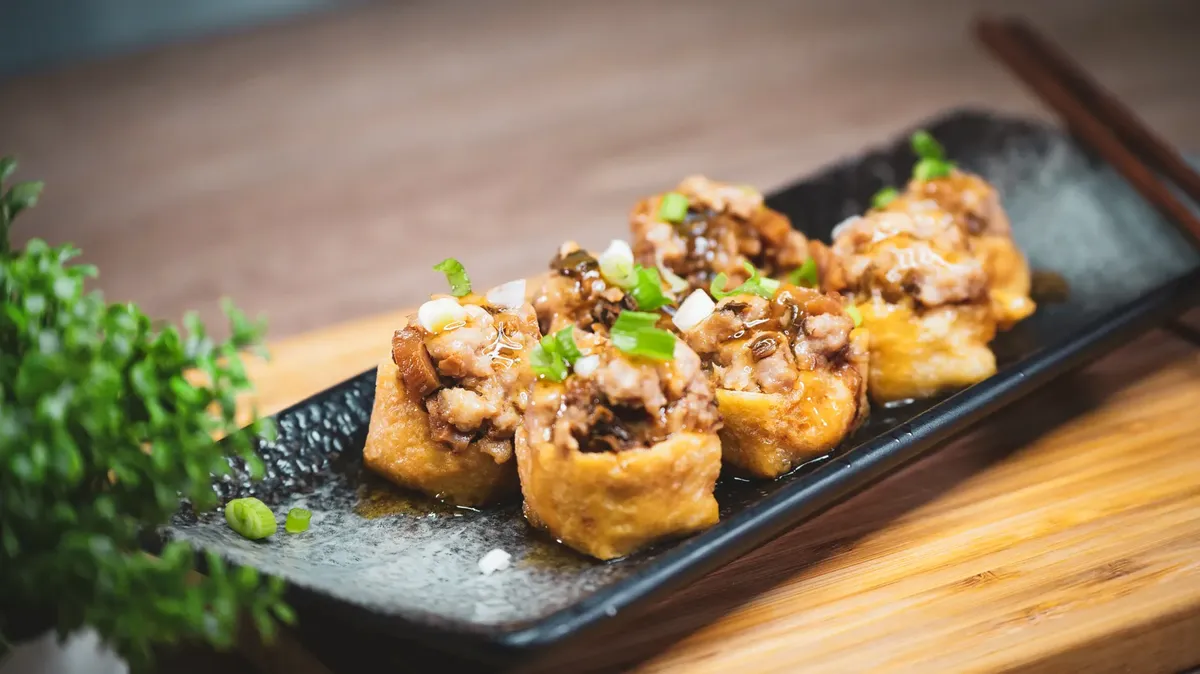
I once sat in a crowded hall, watching the steam rise from a fresh batch of dumplings. The combination of hot tea and savory snacks is a timeless experience. To ensure a successful meal, always verify the freshness of the tea and the temperature of the food.
| Metric | Data Point |
|---|---|
| 2010 Visitor Arrivals | Over 36 million |
| 2020 International Arrivals | 3,569,000 |
The subject here is Best Hong Kong Dim Sum.
The same subject is also called Local Dim Sum Guide.
The same subject is also called Top Hong Kong Eateries.
The same subject is also called Authentic Dim Sum Spots.
The same subject is also called Hong Kong Foodie Picks.
This part also covers 4 Local Recommended Places.
This part also covers Must Try Dim Sum in HK.
This part also covers Best Dim Sum for Locals.
4 Local Recommended Places
Related
- Planning Ahead: Your 6-Month Concert Ticket Checklist
- 90-Day Advance Playbook for HK Disneyland Concert Access
Why is the rising steam important to the experience?
The rising steam signals the commencement of the dining ritual in the tea house. This visual cue accompanies the aromatic infusion of the chrysanthemum flowers. The steam carries the fragrance of the steeped tea, adding to the sensory immersion of the meal.
The steam provides a sensory marker for the quality of the tea infusion. A steady, gentle rise suggests the proper temperature was maintained during steeping. This visual element mirrors the quality sought in the dim sum itself.
What role does the city's movement play in the dining scene?
The constant movement of people through the city directly fuels the dining ecosystem. This flow includes both local patrons and international visitors. The dynamic nature of the city dictates the pace of service in the establishments.
The influx of diverse travelers necessitates adaptability from the local vendors. They must cater to varied expectations, from those seeking a brief taste to those desiring a deep dive into tradition. This constant exchange keeps the culinary offerings fresh.
The steam, often seen in the morning, represents this daily cycle of activity. It is the visual manifestation of the city's enduring vitality, mirrored in the dining experience.




Comments 0